Category: Uncategorized

  • Assisted Living Demand in Encinitas and Your Home Sale

    Assisted Living Demand in Encinitas and Your Home Sale

    Assisted living demand in Encinitas is backed by a growing older population countywide, but no verified local data shows homes near care communities sell for more. Sellers should price off recent comparable sales, highlight accessible features that help any buyer, and verify a facility’s license with the state before mentioning it.

    How Does Assisted Living Demand in Encinitas Affect Selling My Home?

    Assisted living demand in Encinitas is real in the sense that San Diego County’s older population is growing quickly, but that growth doesn’t automatically add a premium to your sale price. What it does is raise the value of practical features like single-level layouts, easy entries, and accessible bathrooms for any buyer. Price your home off recent comparable sales, present those features clearly, and verify any care facility’s license through the state before you mention it in your marketing.

    Key Takeaways

    • Recent local market data shows an Encinitas median sale price of $2,200,500, with sold homes spending a median of 48 days on the market.
    • More than 730,000 San Diego County residents were age 60 or older in 2025, and that group is projected to reach 824,578 by 2029, according to the San Diego Seniors Community Foundation.
    • No verified local data shows that an Encinitas home near an assisted-living facility sells for a measurable premium, so don’t price one in.
    • In California, assisted living is licensed as a Residential Care Facility for the Elderly (RCFE), and you can check any facility’s status through the state.
    • Accessible, single-level features broaden your buyer pool as the county ages, and they can be marketed by property feature without targeting any group.

    What does the data say about assisted living demand in Encinitas?

    The verified evidence is demographic and countywide: San Diego County’s older population is growing, and the oldest age group is growing fastest. There is no published Encinitas-only measure of assisted living demand, so I’d be wary of anyone who quotes you one.

    The county’s older population is growing

    The 2025 State of Seniors Report counts more than 730,000 county residents age 60 or older in 2025, projected to reach 824,578 by 2029. That’s an increase of roughly 11% in three years. The California Department of Aging projects 738,011 residents age 60 and older in the county for 2026.

    County materials from the Board of Supervisors show residents 85 and older growing from an estimated 65,854 in 2022 to nearly 75,740 in 2029, the fastest-growing age group in the county. The county also launched an aging dashboard in February 2026 that tracks housing costs and related indicators from more than 30 sources.

    What licensed care looks like in Encinitas

    In California, what most people call assisted living is licensed as a Residential Care Facility for the Elderly. The California Department of Social Services describes an RCFE as a housing arrangement for people 60 and older with 24-hour nonmedical care and supervision.

    One Encinitas example is Silverado Senior Living at 335 Saxony Road. A state licensing report lists 122 licensed beds and a census of 78 on January 2, 2026. That’s one facility on one day. It is not a citywide vacancy rate, and it isn’t proof of how much demand exists.

    What these numbers don’t tell you

    A growing older population can show up as demand for assisted living, memory care, independent living, in-home care, accessory dwelling arrangements, or multigenerational living. The sources don’t say which of those is growing fastest in Encinitas. They also say nothing about what a buyer of an ordinary home will pay. Treat the demographics as context, not as a pricing tool. If you’re also helping a parent weigh care options, my overview of senior placement and assisted living options in North County walks through that side of the decision.

    Does a nearby assisted living community raise my Encinitas home’s value?

    Not automatically, and I wouldn’t price your home as if it does. No verified local sales data shows a measurable premium for homes near care communities, so your value still comes from condition, location, lot, and recent comparable sales.

    Where the Encinitas market stands

    Recent local market data for the trailing 90 days, as of October 2026, shows an Encinitas median sale price of $2,200,500. Homes that sold spent a median of 48 days on the market. There were 105 active listings, 38 new listings in the last 30 days, and 152 homes sold. Those are area-level figures, and your own home’s value depends on its condition, street, build year, and timing.

    Source: aggregated public listing data, trailing 90 days, as of October 2026.
    AreaMedian Sale PriceMedian Days on Market
    Encinitas$2,200,50048
    Carlsbad$1,506,00030
    Del Mar$3,620,00056
    Escondido$890,00037
    Fallbrook$928,50045
    Oceanside$860,00025
    Solana Beach$1,950,00049

    The days-on-market column counts homes that sold, so it reflects how long successful sales stayed listed. For the broader picture, see my notes on Encinitas real estate trends.

    Features that broaden appeal as the county ages

    The strongest case I can make for sellers is practical, not statistical. As the county’s older population grows, features that make a home easier to live in become more relevant to a wider range of buyers. If your home has any of these, put them in the listing and the photos:

    • Single-level living or a main-floor primary suite
    • Minimal-step entries from the driveway and garage
    • Accessible bathrooms, such as a curbless shower or room to maneuver
    • Wider hallways and doorways that make the layout easy to move through
    • Manageable outdoor areas that don’t demand constant upkeep
    • Easy access to transportation and services

    These are positioning ideas, not proven price effects. Whether a particular upgrade is worth doing before you list depends on your home and your timeline, which is exactly what a walk-through and market analysis are for.

    How should I position my home as demand for senior care grows?

    Price from comparable sales, market the home’s features instead of a type of buyer, and verify any facility before you reference it. Those three steps keep your listing accurate, competitive, and compliant.

    Price from comps, not from the neighborhood story

    A care community down the road is a fact about location, not a reason to ask above the comps. Overreaching on price is how listings sit, then get chased downward. I’d rather we set the number from sold homes of similar size, condition, and position, as I explain in pricing your Encinitas home right.

    Market the features, not an audience

    I’m often asked whether to market a home to seniors, adult children, or care operators. My answer is to market the home itself. Fair housing rules protect people from being steered by characteristics like disability and familial status, so a listing should describe what the property offers: the level entry, the layout, the lot, the location. Buyers will decide for themselves whether it fits their lives.

    Verify before you reference a facility

    If proximity to a care community is worth mentioning, confirm the facility’s license status, address, and capacity through the state first. The Department of Social Services resource page is the right starting point, and the state’s RCFE open-data listing, updated October 8, 2026, can be queried for licensed facilities. Commercial senior-living directories aren’t a substitute for the state record.

    Every property sits differently relative to Saxony Road, the coast, and the freeway, so the useful question is what your specific home offers. A local listing agent can help here; I cover that in the advantages of a local Encinitas listing agent.

    If you’d like to hear how past clients felt about working with me, you can read my reviews on Google and Zillow.

    FAQ

    Are homes near assisted-living facilities in Encinitas worth more?

    Not as a rule, because no verified local data shows a measurable premium for homes near care communities. Value still comes from condition, location, lot, and comparable sales, so a custom market analysis is the reliable way to see where your home stands.

    How is the aging population affecting demand for homes near senior-care communities?

    The countywide population age 60 and older is projected to grow from more than 730,000 in 2025 to 824,578 by 2029, which supports demand for care and accessible housing. The sources don’t quantify the effect on homes near care communities in Encinitas, so I’d treat it as context rather than a price driver.

    What home features help as the county’s population ages?

    Single-level living, minimal-step entries, accessible bathrooms, wider circulation paths, and manageable outdoor areas broaden appeal to many buyers. These are positioning considerations, not proven value increases, so weigh the cost of any upgrade against your timeline before you spend.

    Can an ordinary Encinitas home be converted into assisted living or board-and-care housing?

    Not by default, because California licenses these settings as RCFEs through the Department of Social Services. Before anyone plans around that use, they should confirm the licensing and local approval requirements directly with the state and the City of Encinitas.

    How do I verify whether an assisted-living facility near my property is licensed?

    Start with the California Department of Social Services, which licenses RCFEs and provides a facility-search resource and open-data listing. Check the license status, address, capacity, and any available inspection information rather than relying on a commercial directory.

    The bottom line for Encinitas sellers

    Assisted living demand in Encinitas reflects a growing older population, but it won’t replace good pricing and clear presentation of your home’s real strengths. If you want to know how your property compares in this market, I’ll walk you through the comps and the features that matter. You can also read what Encinitas coastal sellers get wrong before listing to prepare.

    Get a free home valuation and we’ll talk through what your Encinitas home is worth and how to present it.

    About Matthew Sorensen

    Matthew Sorensen is a REALTOR® with Coldwell Banker Realty who has served the North County San Diego market for more than 25 years. He guides buyers and sellers with concierge-level service and deep experience buying, rehabbing, and managing homes.

    Coldwell Banker Realty · (858) 204-6288

    Equal Housing Opportunity. Matthew Sorensen, Broker Associate, Coldwell Banker Realty, regulated by the California Department of Real Estate. This article is general information, not legal, tax, or financial advice; confirm your own numbers with your escrow officer, tax advisor, or lender.


  • Pricing Your Del Mar Coastal Property Right

    Pricing Your Del Mar Coastal Property Right

    Getting your Del Mar coastal property right on price starts with closed sales in the same coastal setting, view orientation, and condition. Then you test that number against active competition and watch buyer activity closely in the first few weeks. A general “coastal premium” is not a pricing strategy.

    How should you price a Del Mar coastal home?

    Pricing your Del Mar coastal property right starts with closed sales in the same coastal setting, view orientation, lot, and condition as your home, not a blanket “coastal premium.” Then you test that number against the homes buyers can choose instead of yours today. In a market with very few sales, one unusual sale can mislead you, so the comparable selection matters more than the formula.

    Key Takeaways

    • Recent local market data (trailing 90 days, as of October 2026) shows a Del Mar median sale price of $3,620,000 and a median of 54 days on market for homes that sold.
    • Broader North County data for September 2026 showed a $835,000 median sale price, 35 days on market, and 2.8 months of supply, but those figures cover the whole region and should never stand in for a Del Mar valuation.
    • One September 2026 report counted only five detached sales in the Del Mar/92014 reporting area, so a single remodeled or view-rich sale can distort the median.
    • No reliable, verified coastal-premium percentage or price-per-square-foot benchmark exists for Del Mar, which means your price has to come from property-specific comparables.
    • Qualified activity in the first several weeks (showings, repeat visits, offer quality, agent feedback) tells you whether the market accepts your price.

    How do you price a Del Mar coastal property right when comparables are thin?

    You build the price from closed sales in your exact coastal submarket first, then widen the search only when you have to. Closed sales show what buyers actually paid. Everything else is opinion.

    Del Mar is a small market. A west-of-I-5 home, an ocean-view home, a bluff-top property, and a home near beach access can all compete for different buyers. I walk my clients through sorting those apart before we ever talk about a list price.

    Start with the same coastal setting

    Prioritize comparables in this order:

    1. Same coastal setting: west of I-5, bluff-top, or near beach access.
    2. Same view orientation: a true ocean view and a partial or lagoon view are different products.
    3. Similar lot characteristics: size, privacy, usable outdoor space, and position.
    4. Similar architectural quality and renovation level: a fully rebuilt home does not compare cleanly to one that needs work.
    5. Only then, expand geographically to nearby areas such as Solana Beach.

    Should you price above the latest comparable because of the view?

    Only if you can name the specific reason. A property priced above recent closed comparables needs a clearly defensible differentiator, such as a protected view, a better lot position, superior condition, or a standout amenity. Simply being “coastal” is not one, because every comparable you’re measured against is coastal too.

    How do bluff-top location, beach access, and erosion risk affect price?

    They change who your buyer is and how carefully that buyer studies the property. Bluff-top and beach-access homes can command real attention, but buyers will weigh site conditions and risk alongside the view. The effect is specific to each property, which is why I don’t quote a blanket adjustment. Once I see your lot and the documentation on it, we can talk about how a buyer is likely to read it.

    Is it better to list high and negotiate, or price at market from day one?

    Price at market from day one. In our North County market, chasing the price down after a stale start usually costs more than getting it right at launch. Buyers at this level watch the same listings closely, and a home that sits becomes the one they negotiate against. For more on this approach, see my post on pricing Encinitas coastal homes right from day one, which applies the same logic one town north.

    What do the Del Mar numbers say, and what don’t they say?

    They say Del Mar sits at the top of the North County price range, but they don’t tell you what your home is worth. Here is the area-level view from recent local market data:

    Source: aggregated public listing data, trailing 90 days, as of October 2026.
    AreaMedian Sale PriceMedian Days on Market
    Carlsbad$1,450,00051
    San Marcos$991,50054
    Del Mar$3,620,00054
    Escondido$890,00030
    Fallbrook$955,00036
    Oceanside$844,50025
    Solana Beach$1,950,00047

    The days-on-market column counts homes that sold, so it describes how long closed sales were listed, not how quickly any home found a buyer. These are area-level medians. An individual home’s value depends on condition, street, view, build year, and timing.

    Why a median can mislead you in Del Mar

    • Small samples: one September 2026 report counted only five detached sales in the Del Mar/92014 reporting area. One heavily renovated or view-rich sale can move a median a long way.
    • Mixed geography: Del Mar, ZIP code 92014, and broader North San Diego County are not interchangeable. The September 2026 North County figures I’ve written about ($835,000 median, 35 days on market, 2.8 months of supply) describe the whole region, not a Del Mar coastal home.
    • Different time windows: monthly, rolling three-month, and year-to-date statistics measure different things. I label every figure with its period and never compare them as if they matched.

    Your specific number depends on your home’s condition, view, and lot, and that’s where a local market analysis comes in. For the broader high-end picture, my post on selling luxury homes in Del Mar covers the strategy beyond price.

    How do you know if your Del Mar listing is overpriced?

    Weak qualified activity in the first several weeks is the signal. Look at what’s happening, not at what you hoped would happen.

    What listing activity shows a price problem?

    • Showings are low compared with similar nearby listings.
    • Buyers tour once and don’t come back for a second look.
    • Buyer-agent feedback keeps pointing to price against other available homes.
    • Offers, if they come, are well below list and from buyers who aren’t well qualified.

    Should you change the price after two weeks with no offers?

    Reassess at that point, but don’t react automatically. Use a short review period for a high-value listing. If activity is thin, I look first at three things: positioning, presentation (photos, staging, marketing), and price. Sometimes the fix is not a price cut. But a lack of qualified interest is evidence, and waiting for the market to catch up to an aggressive number rarely works.

    Test your number against active and pending competition as well as closed sales. Closed sales show what buyers paid. Active listings show the alternatives buyers are comparing yours to right now. This is exactly the kind of review I do with my clients before we list, so pricing your Del Mar coastal property right is a decision built on evidence rather than a guess.

    If you’d like to hear how past clients feel about working with me, you can read my reviews on Google and Zillow.

    FAQ

    How should I price a Del Mar ocean-view home when there are few comparable sales?

    Start with the closest match in coastal setting, view orientation, lot, and renovation level, even if that means fewer comps, and widen the search only as needed. Adjust for the differences you can defend, and don’t lean on a generic coastal premium. I’ll go through the available sales with you and show how each one applies to your home.

    How much does being west of Interstate 5 affect a Del Mar home’s value?

    It can matter, but there is no verified, fixed percentage for it. Homes west of I-5 often compete in a different buyer segment than those east of it, so the right comparables change. The effect on your price depends on the specific home, view, and street.

    How many comparable sales should I use to price a high-end Del Mar property?

    Use as many truly comparable sales as exist, even if that’s only a handful. Quality of match beats quantity. Because Del Mar has so few transactions, I also look at active and pending listings to see what buyers are choosing between today.

    Should I change the price if there are no offers after the first two weeks?

    Reassess at that point, but don’t cut automatically. Check showing volume, repeat visits, offer quality, and buyer-agent feedback. Weak qualified activity is a signal to revisit positioning, presentation, or price instead of waiting.

    Ready to put a defensible number on your home?

    The core takeaway is simple: a Del Mar coastal property priced right from the start is built on matched closed sales, tested against live competition, and checked against real buyer activity. After more than 25 years working this coast, I can show you where your home sits and why. Get a free home valuation and we’ll walk through the comparables together.

    About Matthew Sorensen

    Matthew Sorensen is a REALTOR® with Coldwell Banker Realty who has served the North County San Diego market for more than 25 years, guiding buyers and sellers with concierge-level service. He brings deep experience buying, rehabbing, and managing homes.

    Coldwell Banker Realty · (858) 204-6288

    Equal Housing Opportunity. Matthew Sorensen, Broker Associate, regulated by the California Department of Real Estate. This article is general information, not legal, tax, or financial advice; confirm your own numbers with your escrow officer, tax advisor, or lender.

  • North County HVAC Inspection for First-Time Buyers

    North County HVAC Inspection for First-Time Buyers

    Very important. In North County, HVAC replacement can run well into five figures, and the system’s age, ductwork, and electrical condition decide whether you inherit a problem. Ask for the install date and service records, then have a licensed HVAC contractor evaluate it during your inspection period, before your contingency deadline passes.

    How important is the HVAC system when buying a home in North County?

    It’s one of the biggest line items you can inherit after closing. For first-time buyers in North County, replacing a heating and cooling system can cost five figures, and the age and condition of the equipment, ducts, and wiring determine whether that bill lands on you or on the negotiating table. The time to find out is during your inspection contingency period, not after you’ve moved in.

    Key Takeaways

    • Recent local market data shows a median sale price of $2,200,000 in Encinitas, with sold homes taking a median of 49 days on market, so an unexpected system replacement is a cost you want to find before you’re committed.
    • Contractor planning guides for San Diego and Carlsbad list full HVAC replacement in the range of roughly $9,500 to $19,900, depending on system size, ducts, and electrical needs.
    • A newer outdoor unit can still be paired with leaky ducts, weak airflow, or an aging furnace or air handler, so you evaluate the equipment and the installation separately.
    • Coastal North County homes face salt-air corrosion on outdoor equipment, while inland homes face hotter summers that put more demand on capacity, airflow, and insulation.
    • Your leverage to ask for a repair, credit, or price adjustment lives inside your contingency period, so the HVAC evaluation needs to be scheduled early.

    How do you tell if an HVAC system is near the end of its life?

    Start with the label on the equipment and the paper trail behind it. The manufacturer, model, serial number, and approximate install date tell you how old the system really is, and service records tell you whether anyone has looked after it.

    I tell first-time buyers to check the age and condition of the HVAC system before they write an offer, because it’s one of the most expensive things in a house to replace. Knowing what you’re walking into changes how you price the home in your own head.

    What documents should you ask the seller for?

    Ask your agent to request these as early as possible:

    • Install date, manufacturer, model, and serial number for both the outdoor and indoor units
    • Any service or maintenance invoices
    • Permit records for past HVAC or duct work, if any exist
    • Warranty paperwork that may transfer to a new owner

    A seller with a folder of tune-up receipts is telling you something. A seller who can’t say when the system was installed is telling you something too.

    Why does age alone not tell the whole story?

    Because you’re really evaluating two separate things: how much useful life the equipment has left, and the condition of everything around it. I’ve seen a relatively new condenser connected to deteriorated ductwork, poor insulation, and electrical that wasn’t up to the job. The equipment looked fine on paper while the installation was the problem.

    I won’t give you a magic “too old” number. Condition, maintenance, and the surrounding installation matter as much as the date on the label. For a broader look at the other big-ticket items, see my post on major home systems first-time buyers should inspect.

    What should a North County HVAC inspection cover?

    A general home inspection will note whether the system turns on, but a licensed HVAC evaluation goes much deeper. Request one during your inspection period and ask for written observations, because those are what you’ll use if you negotiate.

    What should the HVAC contractor check?

    • Manufacturer, model, serial number, and approximate installation date
    • Cooling and heating operation
    • Refrigerant type and any evidence of leakage
    • Temperature split and airflow
    • Electrical disconnect, wiring, breakers, and general equipment condition
    • Condensate drainage and secondary protection
    • Coil, blower, filter access, and corrosion
    • Duct leakage, insulation, and visible damage
    • Whether the equipment is properly matched and sized for the home
    • Whether a replacement would trigger electrical, duct, permitting, or refrigerant-related work

    That last item is the one buyers overlook. A replacement is rarely just a swap of one box for another.

    Do coastal and inland North County homes need different scrutiny?

    Yes, somewhat. Coastal communities such as Oceanside, Carlsbad, Encinitas, and Solana Beach can expose outdoor equipment to salt air, so look closely for corrosion on the condenser, coil, and cabinet.

    Inland communities such as Vista, San Marcos, Escondido, and Fallbrook generally see hotter summers than the immediate coast. That raises the importance of equipment capacity, airflow, attic insulation, and duct condition. These are general geographic considerations, not a guarantee about any one home, which is why the on-site evaluation matters. If you’re weighing inland options because coastal prices are out of reach, my post on why Vista still has room for buyers priced out of coastal North County covers that side of the decision.

    What does HVAC replacement cost, and can you negotiate it?

    Contractor guides put a full replacement in the five-figure range, and yes, a documented problem can often become a negotiating point. Treat the numbers below as planning ranges from contractor websites, not bids or guarantees for any specific home.

    • A San Diego contractor price guide lists $10,000 to $18,000 for a full HVAC replacement and $8,000 to $15,000 for a heat-pump system, before rebates.
    • A Carlsbad-focused contractor guide lists $9,500 to $19,900 for full replacement and $9,900 to $19,900 for heat-pump systems, and says the price depends on system size, efficiency, duct condition, electrical requirements, and installation complexity.

    The spread between those ranges is the point. Your actual number depends on your home, which is why I walk my clients through a specialist’s findings before we decide how to approach the seller.

    How does the North County price landscape affect the stakes?

    A system replacement is a different share of the budget depending on where you buy. Here’s the area-level picture from recent local market data. These are medians, and an individual home’s value depends on its condition, street, build year, and timing. The days-on-market column counts homes that sold.

    Source: aggregated public listing data, trailing 90 days, as of October 2026.
    AreaMedian Sale PriceMedian Days on Market
    Encinitas$2,200,00049
    Del Mar$3,760,00052
    Escondido$907,00031
    Fallbrook$939,50060
    Solana Beach$2,100,00049

    In Encinitas, recent local market data also shows 112 active listings and 41 new listings in the last 30 days, with 155 homes sold over roughly 90 days. That’s a market with real choices, which gives you room to be selective about condition.

    How do you compare replacement bids?

    Don’t compare bids on equipment price alone. Check whether each proposal includes:

    • Appropriately sized equipment with compatible indoor and outdoor components
    • Duct repairs and any electrical work
    • Permits, startup, and commissioning
    • Warranty terms, including labor coverage
    • Disposal of the old system and any required code-compliance work

    California’s energy standards (Title 24, Part 6) and federal refrigerant rules both affect what can be installed today. Confirm the specifics for your property with the California Energy Commission, the U.S. EPA, and the city or county building department that has jurisdiction over the home. Requirements change, so I don’t want you relying on a blog for that part.

    What’s the practical timeline?

    1. Request system records from the seller right after your offer is accepted.
    2. Schedule a licensed HVAC evaluation inside your inspection period.
    3. If problems turn up, get written repair or replacement proposals.
    4. Verify permit and code implications with the applicable city.
    5. Negotiate a repair, credit, or price adjustment before your contingency deadline.

    Every deal is different, and the way to know your best move is to look at the findings together. This is exactly the kind of thing I walk through with buyers before they remove contingencies.

    If you’d like to hear how other buyers and sellers felt working with me, you can read my reviews on Google and Zillow.

    FAQ

    How old is too old for an HVAC system when buying a home in San Diego?

    There’s no single cutoff age that applies to every home. A well-maintained older system can outlast a neglected newer one, so look at the install date together with service records, a licensed HVAC evaluation, and the condition of the ducts and electrical. If the install date is unknown, treat that as a reason to dig deeper.

    How much does it cost to replace HVAC in North County San Diego?

    Contractor guides for San Diego and Carlsbad list full replacement in roughly the $9,500 to $19,900 range, with heat-pump systems in a similar band before rebates. These are planning figures, not bids. Duct condition, electrical upgrades, and system size can move the total, so get written proposals for the specific home.

    Should I ask the seller to replace the air conditioner before closing?

    You can ask, but whether a seller agrees to a replacement, a credit, or a price adjustment is negotiable and depends on the findings and the deal. Documentation from a licensed HVAC contractor strengthens your request. Raise it before your contingency deadline, since that’s when you have the most leverage.

    What HVAC documents should a first-time buyer request from the seller?

    Ask for the equipment’s manufacturer, model, serial number, and install date, plus any service invoices, permit records for past work, and transferable warranty paperwork. These help the HVAC contractor evaluate the system and show you how well it’s been maintained.

    Is a heat pump a good choice for a North County San Diego home?

    It can be, but the right answer depends on the home’s ducts, electrical capacity, and your usage. Contractor guides list heat-pump systems as a separate price category, and rebates may apply, so confirm current incentives before you decide. A licensed contractor can tell you whether a specific house is a good fit.

    Ready to look at HVAC before you make an offer?

    The core takeaway: treat the HVAC system as a priced item, not an afterthought, and evaluate the equipment and the installation separately while you still have contingency time. Across North County, from Oceanside to Fallbrook, I help buyers line up the right inspections, read the findings, and decide what to ask for. If you’re getting ready to buy, or want to understand what your own home is worth, get a free home valuation and book a consultation with me.

    About Matthew Sorensen

    Matthew Sorensen is a REALTOR® with Coldwell Banker Realty who has served the North County San Diego market for more than 25 years. He guides buyers and sellers with concierge-level service and has deep experience buying, rehabbing, and managing homes.

    Coldwell Banker Realty · (858) 204-6288

    Equal Housing Opportunity. Matthew Sorensen, Broker Associate, California Department of Real Estate. This article is general information, not legal, tax, or financial advice; confirm your own numbers with your escrow officer, tax advisor, or lender.

  • Selling a Luxury Home in North County San Diego

    Selling a Luxury Home in North County San Diego

    To sell a luxury home in North County San Diego, price it from truly comparable closed sales rather than area medians, document the property’s history before you list, and map out your closing cost categories early. Medians range from $870,000 in Oceanside to $3.9 million in Del Mar, so a local analysis matters.

    How do you sell a luxury home in North County San Diego?

    To sell a luxury home in North County San Diego, price it from closed sales of truly comparable homes instead of area medians, gather your documentation before you list, and understand your closing cost categories early. Area medians over the trailing 90 days to October 2026 run from $870,000 in Oceanside to $3,900,000 in Del Mar, so what counts as “luxury” and what a buyer will pay changes sharply from one coastal or inland market to the next. A local market analysis is how you turn those broad numbers into a real list price for your property.

    Key Takeaways

    • Del Mar’s median sale price was $3,900,000 in the trailing 90 days to October 2026, compared with $2,200,000 in Encinitas and $2,000,000 in Solana Beach, so luxury pricing is hyper-local.
    • Encinitas had 111 active listings and 153 closed sales in roughly the last 90 days, which means buyers have real options to compare against your home.
    • San Diego County collects documentary transfer tax at recording at $0.55 per $500 or fractional part, but who pays it is negotiated in your purchase agreement.
    • Broker fees are fully negotiable and not set by law, and any compensation offered to a buyer’s agent is optional and separately negotiable.
    • Permits, contractor invoices, and warranty records gathered before you list protect your price and keep escrow moving.

    How should you price a luxury home in North County San Diego?

    Price it from closed sales of homes that truly compare to yours (same micro-location, lot, view, build quality, and condition), not from the median for your city. Medians blend every sale in an area, so they’re a starting reference and never your list price.

    Here’s the area-level picture from recent public listing data. These figures cover all sales in each area, not just the luxury tier, and your home’s value depends on condition, street, build year, and timing.

    Source: aggregated public listing data, trailing 90 days, as of October 2026.
    AreaMedian Sale PriceMedian Days on Market
    Encinitas$2,200,00033
    Carlsbad$1,475,00050
    San Marcos$988,00051
    Del Mar$3,900,00047
    Escondido$890,00034
    Fallbrook$920,00047
    Oceanside$870,00027
    Solana Beach$2,000,00050

    Why can’t an online estimate price your luxury home?

    Automated estimates can’t weigh what makes a high-end property distinctive: ocean or canyon views, lot size, a guest house, custom finishes, or the quality of a major renovation. At the top of the market there are often few truly comparable sales, and the ones that exist may be months old. That makes the adjustments between your home and each comp a matter of judgment, and it’s where local experience earns its keep.

    I walk my clients through those adjustments line by line before we settle on a number. If you’re weighing a coastal sale specifically, my post on selling luxury homes in Del Mar goes deeper on that market.

    What happens if you overprice at the start?

    In North County San Diego, pricing right from the start beats chasing the market down. Encinitas alone had 111 active listings and 41 new listings in the last 30 days, per recent local market data, so a buyer touring your home is almost certainly comparing it to several others. A price above what the comps support gets you compared unfavorably, and later reductions rarely win back that first impression. For a full walkthrough, see my guide to setting the right list price before selling.

    Timing works the same way. The median days on market in the table run from 27 in Oceanside to 51 in San Marcos, but those cover every price point. A luxury home can move faster or slower depending on price, condition, and how distinctive it is, and then you add the escrow period set in your purchase contract. Your specific timeline is something I can map out once I’ve seen the property.

    What should you do to prepare a luxury home before listing in North County San Diego?

    Fix what buyers will see and what an inspection is likely to flag, document everything you’ve done to the property, and hold off on major renovations until you’ve compared the likely return. Preparation is where you control the most variables before you ever go to market.

    Should you make improvements before you sell?

    Targeted work usually pays off more than big projects. Deferred maintenance, worn finishes, and visible repairs pull a buyer’s attention away from the features you’re proud of. A large renovation right before listing is a different decision, because the cost and the added value don’t always line up. That’s a numbers conversation I’d rather have with you at the property than guess about in a blog post.

    What documentation should you gather?

    Distinctive and extensively renovated homes carry the most paper, so start early. Pull together:

    • Permits and final sign-offs for additions, remodels, and major systems
    • Contractor invoices and warranties
    • Insurance-claim history
    • Environmental or geological reports
    • Solar or equipment agreements

    California sellers complete a Real Property Disclosure Statement covering the property’s physical condition and potential hazards or defects, as outlined by the California Department of Real Estate. The disclosure concerns known conditions, and you shouldn’t represent that a feature is permitted, repaired, or compliant unless your records support it. If your home was built before 1978, federal lead-paint disclosure also applies, and the California Department of Public Health notes that you aren’t required to order or pay for a buyer’s lead inspection.

    Having these records ready also helps the sale itself. Buyers of high-end homes tend to ask detailed questions, and clear answers keep a deal from stalling during escrow. For the broader picture, my post on key considerations for selling in North County San Diego covers the steps that apply to every price point.

    What closing costs should a luxury seller expect in North County San Diego?

    Expect a set of cost categories rather than one fixed number, and know that several are negotiable. Your own figure depends on your purchase contract, your payoffs, and your close date, so the reliable way to see it is a personalized net sheet from me before you list.

    The categories that typically come into play on the seller side include:

    • Escrow charges for the neutral handling of the transaction
    • Title-related charges
    • Documentary transfer tax, a statutory charge collected at recording
    • Recording charges
    • Loan and lien payoffs
    • Prorated property taxes and any special assessments or Mello-Roos obligations that apply to your property
    • HOA transfer fees, if your home is in an association
    • Repair credits and agreed buyer incentives
    • Broker fees, covered below

    Some of these are fixed by law or by your close date. Others come out of negotiation. Which is which is exactly what I sort out with sellers up front, so there are no surprises at the end.

    How does documentary transfer tax work in San Diego County?

    The county collects documentary transfer tax when the deed is recorded, at $0.55 per $500, or fractional part thereof, once the value exceeds $100, according to the San Diego County Assessor/Recorder/County Clerk. The county’s recording instructions describe the calculation as based on the full value conveyed, or that value less liens or encumbrances remaining at transfer, as applicable.

    The county’s rate provision doesn’t say whether the buyer or seller pays. That allocation is a negotiated term, so confirm it in your purchase agreement and escrow instructions, as the county’s recording page only establishes the tax and how it’s collected. Recording fees can also change, so check the county’s recorder fee schedule rather than relying on an old number.

    What does escrow handle in a luxury sale?

    Your escrow officer is the transaction-management point for documents, funds, recording, and closing conditions. That includes coordinating signed instructions, payoff and lien information, transfer documents, and recording requirements, along with collecting and disbursing transaction charges. Your escrow officer carries out what your contract says, so the negotiated items need to be right in the contract itself.

    How do broker fees work?

    Broker fees and commissions are fully negotiable and not set by law, and there is no standard rate. The fee for the listing side is agreed in your listing agreement. Any compensation a seller chooses to offer a buyer’s agent is optional and separately negotiable, never automatic. I’m glad to talk through how that works for your situation directly, and if you’re comparing agents, my post on choosing the right real estate agent as a seller lays out what to ask.

    If you’d like a second set of eyes on a past experience before you sell, you can read what clients say about working with me on Google and Zillow.

    FAQ

    How should I price a luxury home in Carlsbad, Encinitas, or Del Mar in 2026?

    Price it from closed sales of homes that truly compare to yours, not from the area median. Over the trailing 90 days to October 2026, medians were $1,475,000 in Carlsbad, $2,200,000 in Encinitas, and $3,900,000 in Del Mar, but your home’s view, lot, finishes, and condition decide where it lands. A local market analysis is how we pin that down.

    How long does it take to sell a North County San Diego luxury home?

    There’s no single timeline, and it depends heavily on price and condition. Area median days on market in the same period were 33 in Encinitas, 47 in Del Mar, and 50 in Carlsbad and Solana Beach, though those figures include every price point. Add the escrow period in your purchase contract to get your full path to closing.

    Should I make improvements before listing my North County luxury home?

    Make the targeted fixes first: visible wear, deferred maintenance, and items an inspection is likely to flag. Hold off on major renovations until we’ve compared the cost against the likely effect on your sale price. The right answer changes from one property to the next.

    What does escrow handle when selling a luxury home?

    Escrow coordinates the paperwork and the money. Your escrow officer manages signed instructions, payoff and lien information, transfer documents, recording, and the collection and disbursement of transaction charges. The negotiated items still need to be spelled out in your purchase agreement.

    Who pays the property transfer tax in a San Diego home sale?

    It depends on your contract, because the allocation is negotiated between the parties. San Diego County collects the documentary transfer tax at recording at $0.55 per $500 or fractional part, but the county’s rate provision doesn’t assign it to a buyer or seller. Confirm who is responsible in your purchase agreement and escrow instructions.

    Ready to price your home with a local plan?

    Selling a luxury home well comes down to three things: a price grounded in true comparables, documentation ready before the first showing, and a clear picture of your closing cost categories. Every property in North County San Diego is different, and the only way to know your number is to run it with someone who works this market every day. I’d be glad to walk you through it with a free home valuation.

    About Matthew Sorensen

    Matthew Sorensen is a REALTOR® with Coldwell Banker Realty who has served the North County San Diego market for more than 25 years. He guides buyers and sellers with concierge-level service and deep experience buying, rehabbing, and managing homes.

    Coldwell Banker Realty · (858) 204-6288

    Equal Housing Opportunity. Matthew Sorensen, Broker Associate, regulated by the California Department of Real Estate. This article is general information, not legal, tax, or financial advice; confirm your own numbers with your escrow officer, tax advisor, or lender.

  • First-Time Buyer: Major Home Systems to Inspect

    First-Time Buyer: Major Home Systems to Inspect

    First-time buyers in North County San Diego should closely evaluate HVAC, plumbing, electrical, and roofing before making an offer. These systems are expensive to replace, often show clear warning signs during inspection, and carry significant negotiating weight in escrow, especially in an older coastal or inland home.

    What major home systems should a first-time buyer inspect before making an offer in North County San Diego?

    First-time buyers in North County San Diego should prioritize the HVAC system, plumbing, electrical panel, and roof before making an offer. These four systems account for the largest potential repair or replacement costs in any home, and problems with them rarely show up in listing photos. A thorough general inspection, plus targeted specialist inspections when warranted, is the best way to avoid a costly surprise after you close escrow.

    Buying your first home in North County San Diego is exciting, and the market right now gives you more room to breathe than buyers had a few years ago. According to the San Diego Union-Tribune, San Diego County had 8,248 homes listed for sale as of May 2026, a materially larger supply environment than the ultra-low-inventory years earlier in the decade. That inventory gives you options. But it also means more homes on the market that have been sitting, and some of those homes have deferred maintenance baked in.

    Prices across North County reflect the range of housing stock you’re working with. Recent Zillow market data shows area-level medians that vary widely depending on where you’re shopping:

    AreaMedian Sale PriceMedian Days on Market
    Encinitas$2,149,85749
    Carlsbad$1,475,00023
    San Marcos$975,00047
    Del Mar$3,825,00056
    Escondido$875,00028
    Fallbrook$860,00051
    Oceanside$851,50022
    Solana Beach$2,265,00044

    An individual home’s value varies by condition, street, build year, and timing, but these figures show that even at the more accessible end of the market in Escondido or Fallbrook, you’re making a serious financial commitment. That’s exactly why understanding what’s inside the walls matters as much as what’s on the surface.

    The Four Systems That Can Make or Break a Deal

    HVAC: The First Thing I Tell Every Buyer to Check

    I always walk my clients through the HVAC system before we even talk about making an offer. It’s one of the most expensive things to replace in a home, a full system replacement in San Diego County can run well into five figures depending on the size of the home and whether ductwork needs work, and it’s one of the easiest systems to evaluate if you know what to look for.

    Here’s what to focus on:

    • Age of the unit. Most HVAC systems have a useful life of 15 to 20 years. If the unit is 18 years old and hasn’t been serviced recently, you’re likely looking at a near-term replacement. Ask for service records.
    • Brand and model number. The manufacture date is often encoded in the serial number. Your inspector can decode it, or you can look it up online with the brand name.
    • Condition of the air handler and condenser. Rust, corrosion, or refrigerant staining around the lines are red flags. So is a unit that runs loudly or cycles on and off repeatedly during the inspection.
    • Ductwork integrity. In older North County homes, especially those built in the 1970s and 1980s, ductwork can be deteriorated or undersized. Poor duct conditions drive up energy costs and reduce system performance even when the unit itself is relatively new.

    According to the U.S. Department of Energy, heating and cooling account for nearly half of a typical home’s energy use, which means a struggling system doesn’t just cost money to fix, it costs money every month in utility bills until it’s replaced.

    Plumbing: Age, Material, and Water Pressure

    Plumbing issues are sneaky. They often don’t show up until after you’ve moved in. The general inspection will check visible supply and drain lines, but you need to know what questions to ask.

    • Pipe material. Galvanized steel pipes, common in homes built before the 1970s, corrode from the inside out. Water pressure drops, rust particles appear in the water, and eventually pipes fail. If the home has galvanized supply lines, factor in a potential repiping cost.
    • Water heater age and condition. Most water heaters last 10 to 15 years. Check the manufacture date on the label and look for rust around the base or at the connections. In California, water heaters must be properly strapped for earthquake safety, your inspector will flag this if it’s missing.
    • Sewer lateral condition. This one surprises a lot of first-time buyers. The sewer line running from the house to the street is the homeowner’s responsibility, and it isn’t covered in a standard general inspection. For any home over 20 years old, I recommend a sewer scope, a camera inspection of the lateral line. Root intrusion and deteriorated cast-iron pipe are common in older North County neighborhoods.
    • Water pressure and drainage. Turn on multiple fixtures at once during the walkthrough. Weak pressure or slow drains can signal bigger issues upstream.

    Electrical: Panel Capacity and Safety

    The U.S. Consumer Product Safety Commission estimates that electrical failures and malfunctions account for tens of thousands of home fires annually. In older North County homes, the electrical panel is one of the first things I want to know about.

    • Panel brand and age. Certain older panel brands have documented safety histories that may affect insurability. Your inspector should flag any concerns and recommend an electrician’s evaluation if needed.
    • Amperage capacity. A 100-amp panel was standard for decades but may be undersized for modern appliances, EV chargers, or a home office setup. Many buyers upgrading to a 200-amp service find it’s a negotiating point worth raising in escrow.
    • GFCI and AFCI protection. Ground fault and arc fault circuit interrupters are required in kitchens, bathrooms, garages, and outdoor areas under current code. Older homes often lack them. It’s not always a deal-breaker, but it’s a cost to factor in.
    • Visible wiring condition. Knob-and-tube or aluminum branch circuit wiring in older homes can raise insurance and safety concerns. An electrician’s evaluation is worth the cost if your inspector flags either.

    Roof: Age, Material, and Drainage

    Roofing is one of the most negotiated items in escrow, and for good reason. A roof replacement in San Diego County is a significant cost, and a failing roof can lead to water intrusion that damages framing, insulation, and interior finishes.

    • Roof age and remaining life. Ask the seller directly, and look at the Seller Property Questionnaire, which is part of the disclosure package in California. Sellers are asked to disclose known roof conditions and any leaks.
    • Material type. Concrete tile roofs common in North County communities are durable but heavy, and individual tiles crack. Composition shingle roofs have a more predictable replacement timeline. Flat or low-slope sections on additions are worth extra scrutiny.
    • Gutters and drainage. Coastal North County gets concentrated rainfall in winter months. Clogged or missing gutters lead to water pooling at the foundation. Check the downspout extensions and look for staining at the roofline or fascia boards.
    • Attic condition. A good inspector will access the attic and look for signs of past leaks, inadequate ventilation, or pest activity. Moisture in the attic is a leading cause of wood rot and mold that doesn’t show up on the surface.

    According to the National Association of Realtors’ Remodeling Impact Report, roofing replacement consistently ranks among the highest-cost projects homeowners undertake, and it’s one of the few where deferred maintenance accelerates the damage exponentially.

    How to Use Inspection Findings in Escrow

    A general home inspection is your starting point, not your finish line. The American Society of Home Inspectors recommends that buyers understand a general inspection is a visual assessment of accessible systems, not a warranty or a guarantee of future performance. When the general inspection raises a flag on any of these four systems, that’s your cue to bring in a specialist.

    Here’s how I walk my clients through the process:

    1. Get the general inspection done early. In California, the inspection contingency gives you a defined window to investigate the property and either negotiate repairs, request a price adjustment, or, depending on your contract terms, make a decision about how to proceed. Use that window fully.
    2. Order specialist inspections when flagged. An HVAC technician, licensed electrician, plumber, or roofing contractor can give you a written assessment and a repair or replacement estimate. That document becomes your negotiating tool in escrow.
    3. Ask for permits and service records. Any significant work done on a home’s systems should have a permit on file with the local building department. Unpermitted work can create issues at closing and may affect your homeowner’s insurance. The California Department of Real Estate requires sellers to disclose known material facts about the property, but permits are public record and worth verifying independently.
    4. Review the Seller Property Questionnaire carefully. This disclosure document, standard in California transactions, asks sellers to identify known issues with systems, past repairs, and any insurance claims. Read every line. Discrepancies between what the seller disclosed and what the inspection finds are important to surface before you close.
    5. Negotiate from facts, not emotion. A written estimate from a licensed contractor carries far more weight in escrow negotiations than a verbal concern. Your specific negotiating position depends on the home’s condition, the current market dynamics in that specific community, and your own priorities, that’s where having a local agent in your corner makes a real difference.

    According to Redfin’s San Diego County housing market data, the county median sale price reached $950,000 in June 2026, up 3.9% year over year. At those price points, a $15,000 to $30,000 deferred maintenance issue on a major system is a meaningful percentage of the purchase price, and absolutely worth negotiating before you close.

    The current market in North County gives buyers more leverage than they had a few years ago, particularly in communities like Fallbrook, Escondido, and San Marcos where days on market are running longer. Well-maintained homes in Carlsbad and Oceanside are still moving quickly, recent Zillow market data shows Carlsbad at a median 23 days on market and Oceanside at 22. But even in a faster-moving submarket, walking away from a home with a failing HVAC system and deteriorated plumbing is always the right call if the seller won’t negotiate. Your job is to go in with clear eyes, not optimism.

    The Consumer Financial Protection Bureau’s homebuying guide is a useful resource for first-time buyers navigating the full purchase process, including how inspections fit into the timeline between offer and closing.

    Every situation is different. The right call on a specific home depends on the age of the systems, the seller’s flexibility, and your own financial picture. That’s exactly the kind of conversation I have with every first-time buyer before we write an offer.

    If you want a sense of how other buyers in this market have found me to work, you’re welcome to read my reviews on Google or Zillow.

    Frequently Asked Questions

    How do I tell if an HVAC system is near the end of its life before I buy a house?

    Check the manufacture date encoded in the serial number, most HVAC brands use the first few digits to indicate the year of production, and your inspector can decode it. A system over 15 years old, especially one without recent service records, is approaching the end of its typical useful life. Ask the seller for any maintenance history, and if the unit is borderline, bring in an HVAC technician for a written assessment before your inspection contingency expires.

    What are the warning signs of plumbing, electrical, or roof problems during a home inspection?

    For plumbing, watch for low water pressure, slow drains, rust-colored water, or an aging water heater. For electrical, ask the inspector about the panel brand, amperage, and whether GFCI protection is present in required areas. For roofing, look for cracked or missing tiles, staining at the fascia, and any signs of past leaks in the attic. Any of these should prompt a specialist inspection before you remove your contingency.

    Should I ask for permits or service records for major systems before closing escrow?

    Yes. Permits for significant work, HVAC replacement, electrical panel upgrades, roof replacement, are public record with the local building department and tell you the work was inspected and approved. Service records for HVAC and plumbing show whether the systems have been maintained. Unpermitted work can create complications with insurance and future resale, and it’s worth identifying before you close.

    What does the Seller Property Questionnaire usually reveal about a home’s systems?

    The Seller Property Questionnaire is part of the standard California disclosure package and asks sellers to identify known defects, past repairs, insurance claims, and any issues with major systems. It won’t catch everything, sellers disclose what they know, but it’s a useful baseline. Read it carefully and compare it against your inspection findings. Discrepancies between the disclosure and the inspection are worth addressing directly in escrow.

    When is it worth asking for a specialist inspection instead of relying on the general home inspection?

    Any time the general inspector flags a concern about a major system, a specialist is worth the cost. A licensed HVAC technician, plumber, electrician, or roofing contractor can give you a written diagnosis and a repair or replacement estimate, which is exactly what you need to negotiate effectively in escrow. For homes over 20 years old in North County, I also recommend a sewer scope as a routine precaution, since it isn’t included in a standard general inspection.

    How does buying in North County San Diego differ from buying in the broader San Diego County market?

    North County communities span a wide price range, from coastal markets like Del Mar and Solana Beach well above $2 million to more accessible inland communities like Escondido and Fallbrook closer to $860,000 to $875,000. The broader San Diego County median sale price was $950,000 in June 2026, according to Redfin’s June 2026 county update. North County’s housing stock also varies significantly by age and style, which makes inspection diligence especially important, a 1970s inland ranch and a 2010 coastal townhome have very different system risk profiles.

    Understanding the major systems in any home you’re considering is one of the most important steps you can take before making an offer. If you’re buying your first home in North County San Diego and want to walk through what to look for in a specific property, reach out for a free consultation, I’ll make sure you go into every showing with the right questions.

    About Matthew Sorensen

    Matthew Sorensen is a REALTOR® and Broker Associate with Coldwell Banker Realty who has served the North County San Diego market for more than 25 years, guiding buyers and sellers with concierge-level service and deep experience buying, rehabbing, and managing homes.

    Coldwell Banker Realty · (858) 204-6288

    Equal Housing Opportunity. Matthew Sorensen is a Broker Associate licensed by the California Department of Real Estate. This article is general information only and is not legal, tax, or financial advice, confirm your specific situation with your escrow officer, tax advisor, or lender.

  • Downsizing in North County San Diego, Step by Step

    Downsizing in North County San Diego, Step by Step

    Start with the senior’s goals, not the house. Decide whether to move or modify, choose the next home by daily logistics like single-level living, parking, medical access, and transit, then sort belongings in stages before listing. The right plan depends on the home, the destination, and the timeline.

    How do you downsize your home in North County San Diego?

    Start with the homeowner’s goals, not the house: decide whether moving or modifying makes more sense, then choose the next home by daily logistics (single-level living, parking, medical access, transit) and work through belongings in stages before anything is listed. In North County San Diego, recent local market data shows median sale prices ranging from $870,000 in Oceanside to $4,000,000 in Del Mar, so the right plan depends on the home, the destination, and the timeline.

    Key Takeaways

    • Median sale prices across North County range from $870,000 in Oceanside to $4,000,000 in Del Mar (trailing 90 days, as of October 2026), so your downsizing budget depends heavily on which community you target.
    • In Encinitas, recent local market data shows 116 active listings, 43 new listings in the last 30 days, and 153 homes sold over roughly 90 days, which gives a seller a real read on competition.
    • Oceanside’s median days on market is 26, while San Marcos runs 52, so your timeline for selling can differ by weeks depending on where your home sits.
    • A County ride program was scheduled to close on March 31, 2026 when grant funding ended, so confirm current transportation options before you choose a location.
    • Governing documents for any condo, planned development, or association-managed community should be reviewed before an offer, because rules on pets, parking, guests, rentals, and assessments vary by community.

    Should you downsize or modify the home you already own?

    Compare the real barriers first. If the problem is stairs, bathroom safety, lighting, or getting around, modifications may solve it. If the problem is upkeep, cost, or distance from the things you rely on, a move usually serves you better.

    I walk my clients through this before we ever talk about listing. Moving is a big step, and it shouldn’t be the default answer to a problem that a few improvements could fix. The County’s own housing planning materials emphasize housing that is affordable, conveniently located, and supports independent living. That goal applies to the home you already have, too.

    Questions to settle before anything goes on the market

    • What is actually hard right now? Name the specific tasks: stairs, yard work, driving at night, maintenance, or isolation.
    • Is the barrier the house or the location? A modification fixes the first. Only a move fixes the second.
    • Does the math work? If you still carry a mortgage, your payoff and what you’ll net matter before you choose the next home.
    • Who is part of the decision? The homeowner’s preferences should lead, and everyone else supports them.

    Your net proceeds depend on your home’s condition, your payoff, and your timing, and tax questions can affect the picture, so confirm those with your tax advisor. I’ll build a personalized net sheet with you so there are no surprises.

    How do you choose the right smaller home in North County San Diego?

    Judge the next home by daily logistics, not square footage. Look for a single-level layout or elevator access, minimal thresholds, bathroom safety, parking close to the entrance, guest parking, good lighting, and short trips to doctors, pharmacies, and groceries.

    How much do coastal and inland North County differ?

    Quite a bit, both in price and in travel time. Coastal communities like Carlsbad, Encinitas, Oceanside, and Solana Beach sit differently from inland communities like Vista, San Marcos, Escondido, and Fallbrook when it comes to drive times to medical care, shopping, and family, even for similarly sized homes. Here’s the area-level picture from recent local market data:

    Source: aggregated public listing data, trailing 90 days, as of October 2026.
    AreaMedian Sale PriceMedian Days on Market
    Encinitas$2,060,00040
    Carlsbad$1,538,25033
    San Marcos$986,00052
    Del Mar$4,000,00047
    Escondido$887,50033
    Fallbrook$917,50046
    Oceanside$870,00026
    Solana Beach$2,000,00049

    These are area-level medians. An individual home’s value depends on condition, street, build year, and timing. The Greater San Diego Association of REALTORS® also publishes regional market-activity reports with inventory and days-on-market data. I use those for the big picture, then narrow down to the specific community and property type, because regional numbers can hide what’s happening on one street.

    How do you plan transportation before picking a location?

    Verify it at the address level, and verify it before you commit. The North County Transit District is the transit provider for North County, according to the County’s transportation resources. Whether it works for you depends on the distance to the stop, sidewalk conditions, service frequency, and your own mobility.

    NCTD also operates LIFT, a paratransit service for eligible riders. Eligibility, service area, and reservation requirements should be confirmed directly, as JFS San Diego’s transportation resource guide notes.

    One caution: the same guide reports that a County ride program was scheduled to close on March 31, 2026 because grant funding ended. If a ride service you heard about years ago is part of your plan, check that it still exists. Confirm current NCTD, LIFT, municipal shuttle, and nonprofit options, including booking lead time and whether rides cover medical appointments.

    How do you compare a condo, an association-managed community, assisted living, and a smaller single-family home?

    Compare them on the same checklist, because the monthly cost, the control you keep, and the support available differ widely. For each option, ask about:

    • Layout and access: single level, elevator, thresholds, bathroom setup
    • Monthly obligations: association assessments, services included, and what can change
    • Rules: rental limits, pets, parking, guest stays, and renovation approvals
    • Location: distance to medical care, groceries, and transit
    • Flexibility: what happens if your needs change in a few years

    If assisted living is part of the conversation, I covered the local landscape in my post on placement and assisted living options in North County.

    For any condominium, planned development, or association-managed community, get the governing documents and current rules from the association or property manager. Don’t rely on marketing language. Those documents are where the real answers live.

    How long does it take to downsize, and who should help?

    Plan for more time than you think you’ll need. The timeline depends on how much you own and whether the move is voluntary, health-related, or triggered by a sale. A planned move gives you room to make decisions calmly. A rushed one forces choices you may regret.

    What does a workable step-by-step sequence look like?

    1. Define the lifestyle you want in the next home.
    2. Inventory your possessions.
    3. Sort into keep, give, sell, donate, and discard.
    4. Measure the destination home before deciding what furniture comes.
    5. Arrange any needed repairs on the current home.
    6. Schedule movers, ideally ones experienced with downsizing moves.
    7. Leave time for address changes, medication logistics, utilities, and final cleaning.

    How do you handle decades of belongings?

    Sort by category, not by room, and schedule review sessions so nothing gets handled twice. Photographs, heirlooms, tools, garden equipment, and records carry real emotional weight, and last-minute decisions are the ones people regret. In my experience, the move goes best when the homeowner stays in the driver’s seat and the process gives them time to say what a given item means to them.

    Should you sell first or find the next home first?

    It depends on your finances, your risk tolerance, and how much flexibility you have on dates. Selling first gives you certainty about what you can spend. Buying first gives you a place to land. I break down the tradeoffs in my post on selling before buying in North County San Diego, and the sale itself is mapped out in listing to closing in North County. Your escrow officer will coordinate the closing details once you’re under contract.

    Who belongs on the support team?

    Depending on the situation, the team might include a downsizing organizer, a licensed real estate professional, a mover experienced with downsizing moves, an estate-sale or donation coordinator, a care manager, a transportation provider, and trusted family members or friends. Confirm every professional’s role and fees in writing before work begins.

    If you’re helping a loved one through a move, your job is to make the decisions easier, not to make them. Ask what matters most, set the pace together, and let the homeowner keep the final say. If you’re in or near San Marcos, I also wrote about choosing an agent for downsizing sales.

    If you’d like to hear from people I’ve worked with, you can read my reviews on Google and Zillow.

    Frequently Asked Questions

    How do I know whether to downsize or stay and modify my home?

    Compare what’s actually getting in your way. If the barriers are stairs, bathrooms, lighting, or transportation, price out the modifications and weigh them against the cost and disruption of moving. If the burden is upkeep, expense, or distance from daily needs, a smaller home may fit better. I’m glad to talk through both paths with you.

    Should I sell my North County home before finding a smaller home?

    It depends on your finances and flexibility. Selling first gives you a firm budget but may mean a temporary stop between homes. Buying first avoids that but can mean carrying two properties for a time. A personalized net sheet and a look at your timeline will show which approach fits.

    What transportation options exist if I no longer drive in North County?

    NCTD provides bus and train service, and its LIFT paratransit service is available to eligible riders. Because a County ride program was scheduled to close on March 31, 2026, confirm current municipal shuttle and nonprofit options directly, including eligibility and booking lead times, before you choose a home.

    How can a family member help with a downsizing move without taking over?

    Let the homeowner set the goals and the pace, and take on the tasks they hand you. Offer to schedule sorting sessions, coordinate movers, and research options, but leave the decisions about belongings and where to live with them. Written roles and fees for any professionals keep everyone clear.

    What should I do with decades of furniture, files, and family belongings?

    Sort by category (keep, give, sell, donate, discard) and measure the destination home first so you know what will actually fit. Schedule review sessions so items aren’t handled repeatedly. An estate-sale or donation coordinator can help with what’s left.

    Where do you go from here?

    Downsizing in North County San Diego goes smoothly when your goals lead, the next home is chosen by how it works day to day, and the sorting and selling happen in stages. Every situation is different, and the only way to know what your home is worth and what you’ll net is to run the numbers with someone who knows this market. Request a free home valuation and we’ll talk through your timeline, your options, and the right next step.

    About Matthew Sorensen

    Matthew Sorensen is a REALTOR® with Coldwell Banker Realty who has served the North County San Diego market for more than 25 years, guiding buyers and sellers with concierge-level service and deep experience buying, rehabbing, and managing homes.

    Coldwell Banker Realty · (858) 204-6288

    Equal Housing Opportunity. Matthew Sorensen, Broker Associate, Coldwell Banker Realty, regulated by the California Department of Real Estate. This article is general information, not legal, tax, or financial advice. Confirm your own numbers with your escrow officer, tax advisor, or lender.
  • Pending Listing Highlights: La Jolla Luxury and a Fallbrook Probate Property

    LISTING SPOTLIGHT · OCTOBER 2026

    Two homes. Two different journeys.

    From coastal luxury in La Jolla to a probate property in Fallbrook, these pending listings reflect the range of homes represented by Matthew Sorensen, Broker Associate with Coldwell Banker Realty.

    Both properties are pending as of October 10, 2026. Final sale prices and closing results will be shared after closing.

    Listing photograph of 5875 La Jolla Mesa Drive in La Jolla

    PENDING · COASTAL LUXURY

    5875 La Jolla Mesa Drive

    La Jolla, CA 92037

    5 bedrooms · 4.5 bathrooms · approximately 4,391 sq. ft.

    A single-story home featuring ocean views, custom white oak cabinetry, an expansive kitchen island and a gated approach on approximately 0.74 acres.

    Listed at $6,995,000 — asking price, not a closed sale price.

    Listing agent: Matthew Sorensen, Coldwell Banker Realty. Co-listed with Thad Barrier, Damico Realty Group.

    View property details and listing photography

    The listing notes that some photographs have been digitally enhanced with AI.

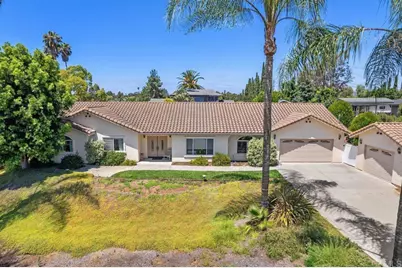
    Listing photograph of 1773 Green Briar in Fallbrook

    PENDING · PROBATE PROPERTY

    1773 Green Briar

    Fallbrook, CA 92028

    4 bedrooms · 2.5 bathrooms · approximately 2,484 sq. ft.

    This single-story home sits on approximately 0.89 acres, with a long driveway, a two-car garage and an additional detached single-car garage.

    Listed at $1,050,000 — asking price, not a closed sale price.

    Listing agent: Matthew Sorensen, Coldwell Banker Realty.

    Green Briar is a probate listing. If you are preparing to sell an inherited home, a conversation with Matthew can help you explore the property preparation, marketing and sale process.

    View property details · Explore probate property services

    Your next move starts with a conversation.

    Planning a coastal home sale or managing an inherited property? Request a no-cost, no-obligation consultation with Matthew Sorensen.

    Request a consultation

    Every day, 8am–6pm · 858-204-6288 · Matt@RealtorMatt.com

    Matthew Sorensen · Broker Associate · Coldwell Banker Realty · CA DRE #01293787

    Property information and pending status checked October 10, 2026. Details are approximate and subject to change. Pending transactions have not closed.

  • Investing in Vista: Rehab Properties & Market Potential

    Investing in Vista: Rehab Properties & Market Potential

    Vista offers North County San Diego investors a value-forward entry point for rehab projects, with a median sale price around $799K–$872K, broad price spread, and renovated homes typically going to pending in roughly 30 days, making it one of the more accessible fix-and-flip markets in the region.

    Is Vista, CA a good market for rehab property investment in 2026?

    Vista is one of the more compelling value-add markets in North County San Diego right now. With a median sale price in the high $700Ks to low $870Ks, a broad price spread that creates real acquisition opportunities, and renovated homes moving to pending in roughly 30 days, investors can find dated inventory at a meaningful discount to coastal neighbors and still exit into a strong regional buyer pool.

    Why Vista Makes Sense for Rehab Investors in 2026

    I’ve worked this market for more than 25 years, and Vista keeps coming up in conversations with serious investors for a straightforward reason: you can still buy older, dated homes here at a price that leaves room to add value. That’s getting harder to say in Carlsbad or Encinitas.

    According to Resideline’s 2026 Vista market review, across 389 closed sales over the first half of 2026, the median closing price was $799,000. The middle half of those sales closed between $560,000 and $980,000, a wide spread that tells you something important: there’s a genuine lower tier of inventory where investors can get in, and a meaningful upper tier where renovated product can exit.

    Meanwhile, Redfin’s Vista city page shows the median sale price for the three months ending June 2026 at approximately $872,000 (down about 4.2% year-over-year). That modest softening from peak levels is actually useful for buyers, it expands the pool of motivated sellers and creates more negotiating room on acquisition.

    The key investment thesis here is simple: Vista sits below the regional median for North County detached homes, but it draws from the same high-income buyer pool as pricier coastal cities. Renovated, move-in-ready product at the right price point sells. The math works when you buy at a genuine discount to current market value and deliver the finish quality today’s buyers expect.

    How Vista Compares to Other North County Markets

    Context matters when you’re underwriting a rehab deal. Here’s how Vista stacks up against neighboring North County markets based on recent aggregated public listing data (trailing approximately 90 days, as of August 2026):

    AreaMedian Sale PriceMedian Days on Market
    Encinitas$1,964,50028
    Carlsbad$1,430,00024
    San Marcos$960,00044
    Del Mar$3,825,00058
    Oceanside$872,50011
    Solana Beach$2,054,50043

    Vista’s median sits meaningfully below Carlsbad and Encinitas, which is exactly what creates the value-add opportunity. Buyers priced out of coastal markets are actively looking at Vista, and when you deliver a well-renovated home, you’re competing for that same demand. According to Realtor.com’s Vista market snapshot (most recent data from late 2025), homes in Vista were selling at approximately 99% of list price, meaning appropriately priced product doesn’t sit.

    Where to Find Rehab-Grade Inventory in Vista

    Vista has meaningful intra-city price variation, and knowing where to look matters. Realtor.com’s 2025 neighborhood data shows submarkets like Ocean Hills and College Area carrying medians above $1.1 million, while more affordable pockets like the Business District area come in well below the citywide median. Keep in mind this is prior-year context, specific neighborhood pricing shifts over time, but the pattern of wide variation inside Vista holds.

    For rehab investors, the practical implication is this: the lower end of Vista’s price band (the $560K–$750K range from Resideline’s data) is where you’ll find aging tract homes, dated kitchens and baths, deferred maintenance, and the kinds of sellers who need a clean, certain transaction. That’s your acquisition target. The upper tier, $900K and above, is where renovated product with modern finishes and permitted work can realistically exit.

    If you’re also thinking about probate-sourced inventory as an acquisition channel, I’ve written specifically about the as-is vs. repair decision for Vista probate homes, it’s a related question that comes up constantly in this market.

    What Rehab Investors Need to Know Before They Buy in Vista

    Pace of Sales and Holding Period Planning

    Zillow’s February 2026 Vista snapshot shows typical homes going to pending in around 30 days. Monthly sales volume has stayed active, local data tracked by Cash For Houses CA shows 74 sales in Vista in June 2026 alone, even as prices have moderated slightly. For rehab investors, that pace matters: once your renovation is complete and the home is priced correctly, you’re not looking at a six-month sit. Holding periods measured in months, not quarters, are realistic for well-executed projects.

    The bigger variable in your timeline is the rehab itself. Permitting timelines, contractor availability, and scope creep are where projects stall. Build conservatively when you’re projecting your hold period.

    Price Softening and What It Means for Your Margins

    Redfin’s Q2 2026 data shows Vista median prices down about 4–7% year-over-year depending on the metric. Houzeo’s 2026 Vista overview forecasts a 2–4% price increase for the year, though that’s a model-based estimate rather than verified sales data, treat it as soft color, not underwriting input.

    The practical takeaway: don’t underwrite to 2022 or 2023 peak prices. Buy at a discount to where the market is today, not where it was. The investors I see get into trouble in Vista are the ones who anchored their ARV (after-repair value) to a comp from 18 months ago. Use current closed sales, current price per square foot, and conservative renovation budgets.

    Resideline’s data puts the median sold price per square foot for Vista at $470 over the first half of 2026, with the middle half ranging from $400 to $551 per square foot. That spread gives you a real target range for what renovated product should achieve, and what you’re risking if your finish quality or pricing misses the mark.

    The California Disclosure and Escrow Reality for Rehab Resales

    When you sell a rehabbed property in Vista, California’s disclosure requirements apply regardless of whether you occupied the home. You’ll typically be expected to complete a Seller Property Questionnaire (an industry-standard California Association of REALTORS® form), disclosing the scope of renovations, whether work was permitted, and any known defects. Keep detailed records, contracts, invoices, permits, from day one. Gaps in that paper trail create legal exposure at resale.

    Closings in California are handled through an escrow officer at an independent escrow company or title company’s escrow division. For rehab investors, escrow is especially important: it handles payoff of hard-money loans, contractor lien releases, and confirmation that permit issues are cleared before the deed records. Don’t treat escrow as a formality, for a rehab resale, it’s where a lot of loose ends get resolved.

    Documentary Transfer Tax: Know the Rate, Negotiate the Allocation

    Under California Revenue and Taxation Code Section 11911, San Diego County’s documentary transfer tax is imposed at $0.55 per $500 (or fraction thereof) of real property value at recording. That’s a fixed statutory rate, it’s not negotiable. What is negotiable is who pays it: buyer, seller, or a split. Local custom often allocates it to the seller, but in rehab deals, investors sometimes negotiate cost sharing or buyer-paid transfer tax in exchange for price adjustments. Confirm the allocation in your purchase agreement, don’t assume.

    If you’re also thinking about a 1031 exchange to defer taxes on your gain, I’ve covered how to choose the right agent for that strategy in this Vista 1031 exchange guide.

    Your specific numbers, net proceeds, total cost categories, what a given deal actually pencils to, depend on your acquisition price, renovation scope, financing structure, and timing. That’s the conversation to have before you make an offer, not after. I walk investors through exactly this kind of analysis before they commit to a deal.

    Before you start running numbers on a Vista rehab, I’d encourage you to read what NAR’s research division publishes on investor activity and market conditions, it’s useful national context, but pair it with local data. National models don’t capture Vista’s specific price bands or neighborhood variation.

    —

    I’ve helped investors find, evaluate, and sell rehab properties across North County San Diego for over 25 years. If you’re looking at Vista deals and want a local read on what a specific property could realistically achieve after renovation, let’s talk through it. You can request a free home valuation and market analysis here, I’ll give you a straight answer on what the numbers look like today.

    See what other investors and clients have said about working with me on Google and Zillow.

    Frequently Asked Questions: Vista Rehab Properties

    Is Vista a good place to invest in rehab properties compared to other North County San Diego cities?

    Yes, Vista is one of the more accessible value-add markets in North County. Its median sale price, around $799K–$872K based on the most recent 2026 data, sits well below Carlsbad ($1.43M) and Encinitas ($1.96M), which means lower acquisition costs while still drawing from the same regional buyer pool. The trade-off is that margins depend on disciplined buying and renovation quality; this isn’t a market where rising prices bail out a bad deal.

    What price range are most fix-and-flip opportunities in Vista selling for in 2026?

    According to Resideline’s six-month 2026 data, the middle half of Vista sales closed between $560,000 and $980,000, with a median of $799,000. Rehab-grade inventory, older, dated homes with deferred maintenance, typically surfaces in the lower portion of that band, roughly $560K–$750K, while renovated product can realistically target the $850K–$980K range depending on location and finish level.

    How long do renovated homes in Vista usually take to sell once they hit the market?

    Zillow’s February 2026 data shows typical Vista homes going to pending in around 30 days, and active monthly sales volume (74 closings in June 2026 alone) confirms steady demand. Renovated homes priced correctly for today’s market, not anchored to peak-year comps, should expect a similar pace, though pricing accuracy matters more in a softening environment than it did two or three years ago.

    Are Vista home prices going up or cooling down in 2026, and how does that affect rehab ROI?

    Redfin’s Q2 2026 data shows Vista’s median sale price down roughly 4–7% year-over-year, reflecting a normalization from pandemic-era peaks rather than a distressed market. For rehab investors, the implication is to underwrite conservatively: use current closed comps for your ARV, not 2022 or 2023 highs. Modest price softening also expands acquisition opportunities as more motivated sellers come to market with dated inventory.

    What local market stats should I look at before buying a fixer in Vista?

    The three numbers I always pull first are median sold price (currently around $799K–$872K for Vista based on 2026 data), median sold price per square foot ($470 median, $400–$551 middle half per Resideline), and median days on market (roughly 30 days to pending per Zillow). Together they tell you what renovated product should achieve per square foot, what the market will absorb, and how quickly you can expect to exit once your project is done.

    About Matthew Sorensen

    Matthew Sorensen is a REALTOR® and Broker Associate with Coldwell Banker Realty who has served the North County San Diego market for more than 25 years, guiding buyers, sellers, and investors with concierge-level service and deep hands-on experience buying, rehabbing, and managing homes throughout the region.

    Coldwell Banker Realty · (858) 204-6288

    Equal Housing Opportunity. Matthew Sorensen is a Broker Associate licensed by the California Department of Real Estate. This article is general information only and does not constitute legal, tax, or financial advice. Verify your own numbers with your escrow officer, tax advisor, or lender before making investment decisions.

  • Senior Placement: Assisted Living Options in North County SD

    Senior Placement: Assisted Living Options in North County SD

    North County San Diego offers a range of assisted living options, from small board-and-care homes to larger continuing care communities, all licensed as RCFEs by California. Selling the family home to fund the move involves escrow, documentary transfer tax, and disclosure forms, coordinating those timelines carefully prevents gaps in housing.

    What assisted living options exist in North County San Diego, and how does selling a home fit into the transition?

    North County San Diego has a broad mix of assisted living communities, from small residential board-and-care homes to larger campuses with memory care and continuing care retirement options. All are licensed as Residential Care Facilities for the Elderly (RCFEs) by the California Department of Social Services. When a senior sells a long-held home to fund the move, the process involves California escrow, documentary transfer tax, and required disclosure forms, and timing those steps around a community’s admission process is where most families run into stress.

    Understanding Your Assisted Living Options in North County

    The first thing I tell families is that “assisted living” covers a lot of ground. The term gets used loosely, but in California the formal licensing category is Residential Care Facility for the Elderly (RCFE), overseen by the California Department of Social Services Community Care Licensing Division. Within that umbrella, North County communities vary considerably in size, services, and setting.

    Here is a quick breakdown of the main care types families encounter across Carlsbad, Encinitas, Oceanside, San Marcos, and Escondido:

    • Independent living communities, for seniors who are largely self-sufficient but want maintenance-free living, social programming, and on-site amenities.
    • Assisted living (RCFE), licensed communities providing help with activities of daily living: bathing, dressing, medication management, meals. Most North County families land here first.
    • Memory care, secured, specialized units within an RCFE or a stand-alone community, designed for residents with Alzheimer’s or other forms of dementia.
    • Board-and-care homes, small, residential-scale RCFEs, often six residents or fewer, offering a more intimate setting. These are common throughout North County’s residential neighborhoods.
    • Continuing care retirement communities (CCRCs), campuses that offer a continuum from independent living through skilled nursing under one roof, often requiring a significant entrance fee.
    • Skilled nursing facilities, for seniors requiring ongoing medical care. The California Department of Health Care Services county profiles, current as of December 2025, provide capacity and occupancy data for San Diego County nursing facilities and help illustrate why many families prefer assisted living as a less institutional alternative.

    How North County differs from a nursing home

    Nursing facilities focus on intensive medical and rehabilitative care. Assisted living communities are designed to feel residential, smaller dining rooms, activity programming, community outings. California’s policy direction reinforces this distinction. According to a California Health Care Foundation explainer on the Assisted Living Waiver and CalAIM Community Supports, California’s Assisted Living Waiver (ALW) had 15,402 individuals enrolled statewide as of October 2024, a program specifically designed to shift Medi-Cal beneficiaries from nursing facilities into assisted living or home- and community-based settings. That enrollment number reflects how seriously the state is investing in keeping seniors out of institutional care.

    The San Diego Regional Center 2023-24 Year-End Report (data through June 2024) shows that only 1.68% of adults served in the SDRC area live in large facilities of more than six people, compared with a California average of 1.46%, a clear signal that the regional care system is oriented toward smaller, community-based settings. That aligns with what I hear from families: they want their parent in a place that feels like a home, not a hospital wing.

    Comparing options across North County cities

    Geography matters in this decision. Coastal cities like Encinitas, Carlsbad, and Oceanside tend to have better transit access and proximity to senior centers, which affects daily life for residents who no longer drive. Inland communities in Escondido and San Marcos often offer more options at lower price points, with proximity to major medical centers. The San Diego County Aging Dashboard tracks health indicators for adults 60+ specifically in the North Coastal and North Inland HHSA regions, the most recent dataset covers calendar year 2024 and gives useful context for chronic condition management when evaluating proximity to healthcare providers.

    Your specific priorities, proximity to family, memory care availability, transportation, ALW participation, will narrow the field quickly. A placement specialist who knows the individual communities is worth consulting early. My role is to coordinate the real estate side so the timing works.

    Selling the Home: What the Process Looks Like in California

    Most families I work with are selling a home the senior has owned for decades. That sale funds the assisted living move, which means the real estate timeline and the care transition timeline have to line up. Here is how the seller-side process works in California and what to expect.

    Escrow and closing in North County

    California uses escrow, a neutral third party, typically a title or escrow company, that holds funds and coordinates documents between buyer, seller, lender, and the county recorder. The San Diego County Assessor/Recorder/County Clerk records the deed at closing, and the escrow company handles payment of the documentary transfer tax at that time. Escrow also manages proration of property taxes, HOA transfer fees if applicable, and other closing items. Nothing is final until the deed records and funds are disbursed.

    For a senior transitioning into assisted living, one of the most useful tools available is a rent-back agreement. After close of escrow, the seller (your parent) remains in the home for a negotiated period while the assisted living community finalizes the admission process. This prevents the gap where a senior is between housing arrangements, no temporary hotel stays, no rushed moves. I use this approach regularly for clients navigating exactly this kind of transition.

    Documentary transfer tax in San Diego County

    The documentary transfer tax (DTT) is collected at recording. Per the San Diego County Recorder fee schedule effective January 1, 2026, the county rate is $0.55 per $500 (or fraction thereof) of the property’s value, pursuant to California Revenue and Taxation Code §11911 and County Ordinance 9889. For properties sold within the City of San Diego, there is an additional city-level DTT of $0.275 per $500 under the San Diego Municipal Code, but most North County cities (Carlsbad, Encinitas, Oceanside, San Marcos, Escondido) are outside city limits and subject only to the county rate.

    The rate itself is set by law. Who pays it is a matter of negotiation between buyer and seller in the purchase contract, there is no statewide rule assigning it to one side. Your escrow officer and I will walk through that when we review your contract terms.

    One thing worth knowing: in January 2026, the San Diego Association of REALTORS® reported that county officials were considering a proposal to raise the county DTT cap significantly on higher-value properties. As of today that remains a proposal, the current statutory rate is still in effect, but it is worth tracking if your timeline extends.

    Disclosure requirements for sellers in California

    California has detailed seller disclosure requirements. For most residential 1-4 unit properties, sellers complete a Transfer Disclosure Statement (TDS) as required by state law. Many transactions also include the Seller Property Questionnaire (SPQ), a standard form created by the California Association of REALTORS® that allows sellers to describe the property’s condition, past repairs, insurance claims, and other material facts in more detail than the TDS alone covers.

    For seniors selling a long-held home, the SPQ can feel daunting. I walk my clients through every section so nothing is missed and nothing is misrepresented. Decades of ownership means there is often a lot to document, roof work, plumbing updates, water intrusion events, and getting it right protects the seller after closing.

    If a trust or power of attorney is involved in the sale, the disclosure and signing process needs to account for that legal framework. I have worked alongside attorneys and fiduciaries on many of these transactions, and when the situation calls for it, I connect families with the right professionals. My post on navigating probate and trust sales in North County San Diego covers the specific considerations when a trust or estate is involved.

    What the North County market looks like right now

    Knowing where your home sits in the current market shapes everything: pricing strategy, days on market, and how confidently you can negotiate timing with the buyer. Recent Zillow market data for the trailing 90 days as of August 2026 shows meaningful variation across North County cities. These are area-level medians, your home’s value depends on condition, street, build year, and timing.

    AreaMedian Sale PriceMedian Days on Market
    Encinitas$2,150,00049
    Carlsbad$1,425,00028
    San Marcos$950,00046
    Del Mar$3,750,00054
    Escondido$866,00028
    Fallbrook$888,00053
    Oceanside$864,00023
    Solana Beach$2,265,00049

    Days on market range from 23 in Oceanside to 54 in Del Mar. That spread matters when you are trying to coordinate a close date with an assisted living community’s move-in schedule. A home in Carlsbad that goes under contract in a few weeks gives you a very different planning window than one in Fallbrook that may take nearly two months. I factor all of this into the timeline conversation from the start.

    Coordinating the Real Estate and Care Timelines

    The biggest risk in a senior placement transition is a gap, the home closes before the assisted living unit is ready, or the community has a move-in date that doesn’t match the escrow timeline. I have seen both happen, and neither is comfortable for a family that is already managing a major life change.

    Here is how I approach the coordination:

    1. Start the care search early. Assisted living communities often require medical assessments, financial qualification, and a formal application before a move-in date is set. That process can take weeks. The earlier you start, the more flexibility you have on the real estate side.
    2. Get a realistic market analysis before committing to a care budget. Your home’s actual net proceeds determine what care options are financially realistic. Every situation is different, the only way to know your real number is to run it with someone who knows this market.
    3. Build a timeline that works in both directions. Once you have a target move-in date from the community, we price and list to hit a close date that aligns. That may mean a slightly longer escrow, a rent-back clause, or a negotiated possession date.
    4. Involve the right professionals early. Estate attorneys, financial advisors, and placement specialists all have a role. I coordinate with each of them so the real estate piece doesn’t create a bottleneck.
    5. Plan for the unexpected. Inspections, buyer financing, and appraisal issues can shift timelines. I keep the assisted living community informed as the escrow progresses so they can hold the unit when possible.

    The San Diego County Area Agency on Aging 2024-2028 Area Plan outlines the county’s commitment to supporting older adults through community-based services, including the Long-Term Care Ombudsman Program, which visited 96% of nursing facilities at least quarterly in FY 2022-2023. That level of oversight is worth knowing about as you evaluate facilities, and it is one reason I encourage families to ask about inspection history and ombudsman visits when touring communities.

    If the sale involves a trust, a conservatorship, or a family member acting under power of attorney, the process has additional layers. My post on choosing a real estate agent for a probate or trust sale in North County San Diego walks through what to look for in those situations.

    Every family’s situation is different, and the only way to get a clear picture of your timeline, your proceeds, and your options is to sit down and map it out together. That is exactly the conversation I have with every client before we list.

    If you are ready to start planning, I invite you to read what clients have said about working with me on Google and Zillow.

    Frequently Asked Questions

    What types of assisted living and senior care are available in North County San Diego, and how do they differ from nursing homes?

    North County offers independent living communities, assisted living (licensed as RCFEs by the California Department of Social Services), memory care, small board-and-care homes, and continuing care retirement communities. Nursing facilities provide intensive medical and rehabilitative care; assisted living communities are designed to feel residential and focus on personal care and daily support. California’s policy, reflected in the state’s Assisted Living Waiver program, actively encourages assisted living over institutional nursing home placement.

    How do I compare assisted living options in Carlsbad, Encinitas, and Oceanside for a parent who wants to stay near family?

    Start with proximity to family and medical providers, then evaluate transportation access, the specific services offered (memory care, medication management, activities), and whether the community participates in programs like California’s Assisted Living Waiver for Medi-Cal eligible seniors. Coastal cities like Encinitas and Carlsbad tend to offer better transit access; Oceanside has a shorter average days-on-market (23 days per recent Zillow data) if you are also selling nearby. A local placement specialist can shortlist communities; I handle the real estate side so the timing aligns.

    What steps are involved in selling a North County home to fund an assisted living move, and how does escrow work in California?

    The process starts with a market analysis and listing, then moves through offer negotiation, inspections, and a California escrow period where a neutral third party coordinates funds, disclosure documents, and deed recording with the San Diego County Recorder. Sellers also complete required disclosure forms, including the Transfer Disclosure Statement and typically the Seller Property Questionnaire. A rent-back agreement after closing can give the senior time to move into the assisted living community without a housing gap.

    Who pays the documentary transfer tax when selling a house in San Diego County, and does the rate vary across North County cities?

    The county rate is $0.55 per $500 of property value, per the San Diego County Recorder fee schedule effective January 1, 2026. Properties within the City of San Diego carry an additional city-level tax, but most North County cities, Carlsbad, Encinitas, Oceanside, San Marcos, Escondido, are outside those city limits and subject only to the county rate. The rate is set by law; who pays it is negotiated between buyer and seller in the purchase contract.

    Are there programs like the Assisted Living Waiver that can help with costs if my parent lives in San Diego County?

    Yes. California’s Assisted Living Waiver (ALW), part of the CalAIM Community Supports initiative, helps Medi-Cal beneficiaries access assisted living instead of nursing facilities, 15,402 individuals were enrolled statewide as of October 2024. Eligibility is based on Medi-Cal qualification and medical need. A placement specialist or social worker can assess whether your parent qualifies and which North County communities participate in the program.

    How do we time the home sale so my parent can move smoothly from their North County house into an assisted living community without a gap?

    Start the assisted living application process before listing the home, since medical assessments and financial qualification can take several weeks. Once you have a target move-in date, price and list to hit a close date that aligns, and consider a rent-back clause so your parent can remain in the home briefly after closing while the community finalizes the unit. Days on market in North County range from about 23 days in Oceanside to over 50 days in Del Mar and Fallbrook, so the local market in your city shapes the planning window significantly.

    The bottom line: a senior placement transition in North County involves two timelines running in parallel, the care search and the home sale. Getting both right requires local knowledge on the real estate side and a clear-eyed view of the current market. That is exactly what I bring to every one of these conversations.

    Start with a free home valuation to understand what your North County property is worth in today’s market, then we can map out a timeline that works for your family’s situation.

    About Matthew Sorensen

    Matthew Sorensen is a REALTOR® and Broker Associate with Coldwell Banker Realty who has served the North County San Diego market for more than 25 years, guiding buyers and sellers with concierge-level service and deep experience buying, rehabbing, and managing homes.

    Coldwell Banker Realty · (858) 204-6288

    This article is general information only and does not constitute legal, tax, or financial advice. Confirm your specific costs, tax obligations, and transaction details with your attorney, tax advisor, lender, or escrow officer. Matthew Sorensen is a Broker Associate licensed by the California Department of Real Estate. Equal Housing Opportunity.

  • Selling Luxury Homes in Del Mar, CA (2026)

    Selling Luxury Homes in Del Mar, CA (2026)

    Selling a luxury home in Del Mar in 2026 means navigating a thin, high-value coastal market where recent data shows a median sale price around $3.75 million, roughly 51 days on market, and fewer than 20 active listings at any given time. Success depends on precise pricing, turnkey presentation, thorough disclosures, and an agent who knows how to read this segmented market.

    What does it take to sell a luxury home in Del Mar in 2026?

    Selling a luxury coastal home in Del Mar requires more than a great listing, it demands precise pricing, turnkey presentation, and deep knowledge of a market where inventory rarely exceeds 20 active homes and buyers have very high expectations. Recent Zillow market data shows a median sale price around $3,750,000, a median of 51 days on market, and only 15 homes closed in the past 90 days, making every listing decision consequential.

    Understanding Del Mar’s Luxury Market in 2026

    Del Mar is not one market, it’s several, stacked on top of each other. That’s the most important thing I tell sellers before we ever talk about pricing.

    At the entry end, you’ll find attached properties and smaller detached homes that can trade below $1 million. But the heart of Del Mar’s luxury segment sits in the $2 to $7 million range, where detached coastal homes compete on views, walkability to the village, and the quality of their finishes. Above that sits a smaller tier of oceanfront and architecturally significant properties that push into eight figures, a 2025 listing on Camino Del Mar was offered at $75 million, illustrating just how wide the ceiling can be.

    The data across 2026 reflects how dynamic this market is month to month. A Redfin housing market report for June 2026 showed 19 homes sold, a median sale price of $3,125,000, an average sale price of $3,985,412, an average price per square foot of $1,404, and a sale-to-list ratio of 98.5%, with average days on market running 86 days. That same month saw the median price jump nearly 17% from May, when 14 homes sold at a median of $2,672,500 and a 100% sale-to-list ratio. Month-to-month swings of that magnitude are normal in a market this thin.

    The most recent Zillow market data, as of August 2026, shows the area-level median sale price at $3,750,000, with 51 median days on market, 18 active listings, and only 3 new listings in the past 30 days. These are area-level figures, your home’s value depends on its street, condition, build year, and how it’s positioned relative to the handful of other listings on the market at the same time.

    How Del Mar Compares to the Rest of North County

    Context matters. Del Mar’s price point sits well above every other North County submarket. Here’s a snapshot of recent Zillow sales data across the region:

    AreaMedian Sale PriceMedian Days on Market
    Encinitas$2,149,71446
    Carlsbad$1,470,00023
    Escondido$866,00017
    Fallbrook$888,00051
    Oceanside$875,00016

    Del Mar at $3,750,000 median is more than $1.6 million above Encinitas, the next closest market on this list. That gap reflects the coastal scarcity premium, but it also means Del Mar sellers are competing for a much smaller pool of qualified buyers.

    A February 2026 analysis of North County San Diego’s luxury market described the region as effectively two distinct markets: a broader luxury segment with solid demand, and an ultra-luxury segment showing softer conditions, with median prices down 9.7% and sales down 21.6% year-over-year. Del Mar, with its coastal scarcity and consistent buyer demand for well-positioned listings, has shown more resilience than the broader North County ultra-luxury average, but that resilience is not unconditional. It depends entirely on how a home is priced and presented.

    What Separates Del Mar Listings That Sell from Those That Sit

    I’ve worked with sellers in this market long enough to know that the difference between a home that closes in 30 days and one that lingers for six months usually comes down to three things: pricing strategy, presentation, and disclosure preparation.

    Pricing Strategy in a Thin Market

    With only 15 to 19 homes selling in a given month and inventory hovering around 18 active listings, Del Mar is an extremely data-thin market. A single outlier sale can skew the median significantly in either direction, which is exactly what the May-to-June 2026 swing illustrates. Pricing a Del Mar luxury home correctly requires reading the current active competition, understanding which recent comps are actually comparable (not just geographically close), and accounting for your home’s specific micro-location, ocean exposure, and condition.

    In my experience working with sellers in coastal North County, pricing right from the start is especially critical at the luxury level. Buyers in this segment are sophisticated and well-advised. If a Del Mar listing sits for 90-plus days, buyers notice, and they use that time on market as leverage. A well-priced home that generates early interest is almost always a better outcome than an aspirationally priced one that needs reductions.

    July 2026 brought 18 new detached listings to the Del Mar market, up 28.6% from June, according to local market tracking. More inventory means more competition among sellers, which puts even greater pressure on getting the price and presentation right before you go live.

    Presentation and Buyer Expectations

    High-end buyers in Del Mar are not just buying square footage, they’re buying a lifestyle. Direct or panoramic ocean views, proximity to the beach, and walkability to Del Mar Village carry outsized weight in how quickly a home sells and how close to list price it achieves. According to NAR’s research on luxury buyer behavior, condition and move-in readiness are consistently among the top factors influencing purchase decisions at the high end.

    In Del Mar, dated finishes or deferred maintenance can significantly expand days on market even when the core attributes, lot, view, location, are exceptional. Turnkey, architecturally refined properties command stronger demand and shorter marketing times. That means investing in professional staging, high-quality photography and video, and addressing any visible deferred maintenance before the home goes live. In a market where buyers are spending $3 to $7 million, they expect the home to feel ready.

    Disclosures and the Seller Property Questionnaire

    The disclosure process for a Del Mar luxury sale is thorough, and it should be. The California Association of REALTORS® Seller Property Questionnaire (C.A.R. Form SPQ) is required by most C.A.R. purchase agreements and is a standard part of the disclosure package for Del Mar residential listings.

    The SPQ asks sellers to disclose repairs, remodels, upgrades, past or present water intrusion, structural issues, noise, odors, and any known conditions that could affect the buyer’s decision or the property’s value. In a coastal market where sea-air corrosion, drainage, and coastal-related wear are real considerations, a thorough and accurate SPQ protects you and builds buyer confidence. I walk my sellers through the SPQ carefully, a well-prepared disclosure package reduces the risk of renegotiation or post-close disputes, which matter a great deal when the transaction involves millions of dollars.

    Beyond the SPQ, Del Mar sellers should expect the full California residential disclosure package, including the statutory Transfer Disclosure Statement. Your escrow and title team coordinates the delivery and acknowledgment of all required forms before closing.

    Escrow and the Documentary Transfer Tax

    Escrow plays a central role in any Del Mar luxury transaction. The escrow officer prepares the final settlement statements, coordinates submission of the grant deed to the San Diego County Assessor/Recorder/County Clerk, and ensures all contractual conditions are met before funds are disbursed.

    One cost category worth understanding early is the Documentary Transfer Tax, assessed under California Revenue and Taxation Code §11911 at a rate of $0.55 per $500 (or fraction) of real property value, collected by the county recorder at recording. The rate is set by statute and is not negotiable. Who pays it, buyer or seller, is a matter of contract negotiation, not a fixed rule. Local custom often defaults to the seller, but in a high-value transaction, this is something to discuss with your agent and confirm in your purchase agreement. Del Mar does not appear to impose an additional city-level transfer tax beyond the county rate, but your escrow officer and title company will confirm the exact charges for your specific transaction.

    For a full picture of what closing costs will look like in your situation, that’s a conversation I have with every seller before we list, the categories are consistent, but the amounts depend on your specific transaction.

    Getting Your Del Mar Home in Front of the Right Buyers

    Marketing a Del Mar luxury listing is not the same as marketing a home in Carlsbad or Oceanside. The buyer pool is smaller, more global, and more discerning. Effective marketing at this level includes professional architectural photography, drone and video tours that capture the coastal setting, targeted digital distribution through luxury property networks, and placement on platforms where high-net-worth buyers actively search.

    Coldwell Banker’s global luxury platform gives my Del Mar listings access to an international buyer network, relevant in a market where out-of-area and out-of-country buyers are a meaningful part of the demand pool. According to the NAR Profile of International Transactions in U.S. Residential Real Estate, California consistently ranks among the top states for international buyer activity, and coastal Southern California properties are a primary draw.

    The marketing plan, the pricing strategy, and the disclosure preparation all have to work together. One weak link, an overpriced listing, an underprepared disclosure package, or a marketing campaign that doesn’t reach the right audience, can add months to your timeline and cost you far more than the investment in doing it right.

    Every Del Mar seller’s situation is different. The only way to know exactly where your home fits in this market is to run a detailed analysis with someone who has been watching these transactions closely. That’s where I come in.

    You can read what my clients have to say about working with me on Google and Zillow.

    Frequently Asked Questions

    How is the Del Mar luxury market behaving in 2026 compared to the rest of North County San Diego?

    Del Mar has shown more resilience than the broader North County ultra-luxury segment, which a February 2026 analysis described as experiencing softer conditions with prices down 9.7% and sales down 21.6% year-over-year. Del Mar’s coastal scarcity and consistent buyer demand for well-positioned listings have kept it competitive, with recent Zillow data showing a median sale price around $3,750,000 and only 18 active listings. That said, performance is segmented, some homes sell quickly near asking price while others sit, depending on pricing, condition, and micro-location.

    How long are luxury homes in Del Mar typically taking to sell in 2026, and what affects days on market the most?

    Days on market in Del Mar have varied considerably through 2026: the June 2026 report showed an average of 86 days, while May 2026 averaged 50 days, and current Zillow data shows a median of 51 days. The biggest factors are pricing strategy, property condition, and ocean exposure. Turnkey homes priced accurately for current conditions tend to sell significantly faster than those with deferred maintenance or aspirational pricing that requires reductions.

    Do I need to complete a Seller Property Questionnaire when selling a luxury home in Del Mar?

    Yes, in most cases. The California Association of REALTORS® Seller Property Questionnaire (C.A.R. Form SPQ) is required by most C.A.R. purchase agreements used in residential transactions, including high-end coastal properties. It asks sellers to disclose repairs, remodels, water intrusion, structural issues, and any known conditions affecting the property’s value. In a coastal market like Del Mar, where sea-air exposure and drainage can be material issues, a thorough SPQ is both a legal obligation and a tool for building buyer confidence.

    Are Del Mar luxury listings still getting close to their asking price in 2026, or are buyers negotiating more?

    Sale-to-list ratios have been strong but not uniform. June 2026 showed a 98.5% sale-to-list ratio across 19 sales, while May 2026 showed 100% across 14 sales. These figures reflect well-positioned listings, homes that were priced accurately and presented well. Overpriced or under-prepared listings in this thin market tend to sit longer and ultimately sell at a larger discount, so the final ratio depends heavily on how the home enters the market.

    What is the documentary transfer tax in Del Mar, and who pays it?

    The Documentary Transfer Tax in San Diego County is set by California Revenue and Taxation Code §11911 at $0.55 per $500 (or fraction) of real property value, collected by the county recorder at closing. The rate itself is fixed by law and not negotiable. Who pays it, buyer or seller, is determined by the purchase contract, not by statute. Local custom often defaults to the seller, but this is a negotiable point that should be addressed explicitly in your agreement. Del Mar does not appear to impose an additional city-level transfer tax beyond the county rate.

    The Bottom Line on Selling a Luxury Home in Del Mar

    Del Mar is one of the most compelling and most demanding luxury markets in coastal Southern California. Getting it right, pricing, presentation, disclosure preparation, and marketing, requires someone who knows this market at the transaction level, not just from a distance.

    If you’re thinking about selling a high-end home in Del Mar, I’d welcome the conversation. Request a free home valuation and let’s talk through what your property is worth in today’s market and what it would take to position it for the best possible outcome.

    About Matthew Sorensen

    Matthew Sorensen is a REALTOR® and Broker Associate with Coldwell Banker Realty who has served the North County San Diego market for more than 25 years, guiding buyers and sellers with concierge-level service and deep experience buying, rehabbing, and managing homes across coastal and inland communities.

    Coldwell Banker Realty · (858) 204-6288

    Equal Housing Opportunity. Matthew Sorensen is a Broker Associate licensed by the California Department of Real Estate. This article is general information only and does not constitute legal, tax, or financial advice, confirm your own costs, disclosures, and transaction details with your attorney, tax advisor, lender, or escrow officer.