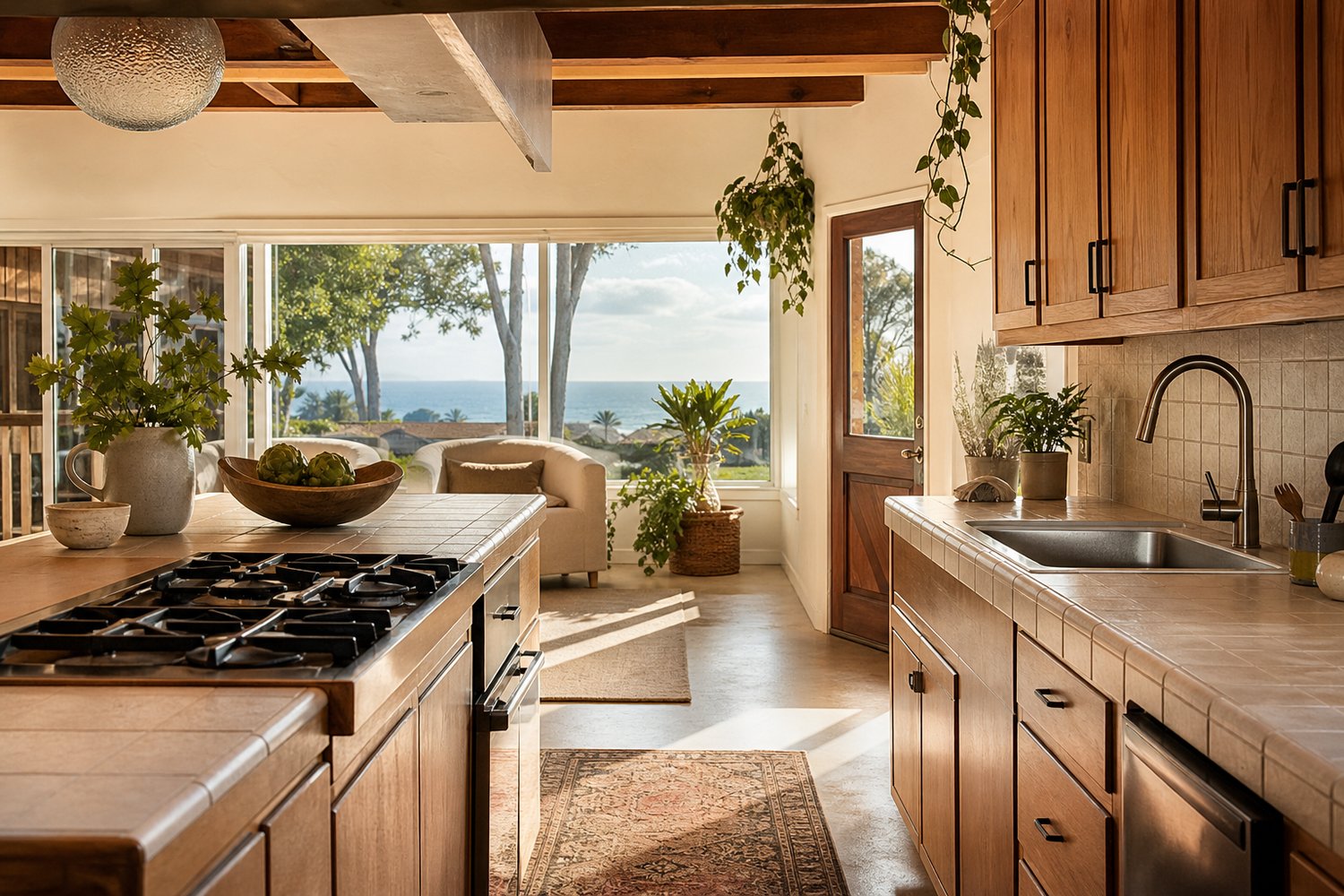
Start with one question for every project: will this show up in an inspection, block financing, or make the photos look neglected? If so, fix it. If it’s a dated feature that still works, check nearby closed sales before spending. Most pre-listing budgets belong in repairs, cleaning, and presentation, not remodels.
What should I fix before listing in North County?
Before listing in North County, fix anything tied to safety, water, or function, then spend on cleaning and presentation, and leave most cosmetic remodeling alone. A dated kitchen that works rarely needs replacing, while a slow leak, a failing heater, or a loose deck rail will cost you in negotiation. Test every larger project against recent closed sales of similar homes nearby before you hire a contractor.
Key Takeaways
- Homes sold in Encinitas over roughly the last 90 days through November 2026 had a median sale price of $2,087,500, so small condition gaps can move a lot of dollars in either direction.
- There are 115 homes for sale now in Encinitas, with 41 new listings in the last 30 days, which means your home is judged against plenty of alternatives.
- Active leaks, electrical or plumbing hazards, unsafe stairs or decks, and nonfunctional heating or cooling belong at the top of your repair list.
- A dated but functional kitchen or bathroom should be compared against nearby closed sales before you remodel it.
- A pre-listing inspection can show you surprises early, but it does not remove your duty to disclose known defects.
What repairs are worth making before listing in North County?
Repair what a buyer’s inspector, lender, or appraiser will flag, and clean up whatever shows badly in photos. Those two categories protect your price and your timeline better than design upgrades do.
Which problems should you always fix?
Fix the items that create safety risk, water damage, or financing trouble. In my experience, these are the ones that turn a smooth escrow into a renegotiation:
- Active leaks and any sign of water intrusion, including stained ceilings and soft spots under sinks.
- Electrical or plumbing hazards, such as exposed wiring, scorched outlets, or failing supply lines.
- Unsafe stairs, railings, or decks, since a buyer will see them on the first showing.
- Nonfunctional heating or cooling.
- Visible structural concerns and broken windows.
California’s Department of Real Estate describes the seller’s Real Property Disclosure Statement as covering the property’s physical condition and potential hazards or defects. If you know about a material problem, you will be disclosing it either way, so it is usually smarter to deal with it before buyers find it.
What presentation work is worth the effort?
Deep cleaning, decluttering, and correcting deferred maintenance give you the most visible improvement for the least disruption. Think patching and repainting scuffed walls, repairing damaged flooring, replacing burned-out or mismatched lighting, and tidying the exterior so the first photo is a good one.
I can’t hand you a verified local dollar return for each task, and I’d be wary of anyone who does. What I can say is that a clean, bright, well-maintained home is easier for buyers to evaluate, and that tends to reduce objections.
Do coastal and inland properties need different lists?
Yes, because exposure changes what wears out. Homes near the ocean can show faster corrosion, weathering, and moisture problems on railings, window frames, and exterior wood, so look closely at those details. Inland and foothill properties may bring up defensible space, drainage, retaining walls, roof condition, and access. Requirements differ by municipality and by parcel, so confirm your own property’s situation rather than assuming a citywide rule. For a deeper look at the coastal side, read what Encinitas coastal sellers get wrong before listing.
What can you leave alone when listing in North County?
Leave alone any dated feature that still works, unless nearby closed sales show buyers are paying noticeably more for updated homes. The goal is to close a condition gap visible in the comparable set, not to make your home look like a new model.
Should you remodel the kitchen before selling?
Usually not, unless the kitchen is broken, unsafe, or far behind every comparable home nearby. A full remodel costs money, time, and permits, and buyers often want to choose their own finishes. Pull the closed sales for similar homes in your neighborhood and compare kitchen condition honestly. If updated and original kitchens are selling in the same range, your budget is better spent on repairs, paint, lighting, and a deep clean.
The same logic applies to bathrooms, flooring, and landscaping. Fix what is damaged. Leave alone what is merely not to your taste.
How do you compare repair costs with recent comparable sales?
Compare homes with a similar age, size, lot, condition, and proximity to the coast, then ask what the condition difference is actually worth. North County is not one market, so a countywide average will mislead you. Here is the area-level picture from recent local market data:
| Area | Median Sale Price |
|---|---|
| Encinitas | $2,087,500 |
| Carlsbad | $1,517,500 |
| San Marcos | $932,500 |
| Del Mar | $4,204,250 |
| Escondido | $890,000 |
| Fallbrook | $935,000 |
| Oceanside | $863,000 |
| Solana Beach | $1,944,860 |
These are area-level medians. An individual home’s value depends on condition, street, build year, and timing, which is exactly why your numbers need a street-level comparison. In my experience, a home priced honestly for its condition sells better than a half-finished remodel priced on hope. If your home has already sat, I cover that situation in how to price and fix a listing that didn’t sell.
Should you repair, offer a credit, or price around the issue?
Repair when the problem is small, safe to fix quickly, and likely to trigger an inspection objection. Consider a credit or a price adjustment when the work is large, disruptive, or a buyer may want to choose the solution. Any credit is negotiable and is handled through the purchase contract and escrow, so it is never a fixed local requirement.
A roof is the classic example. A leaking roof needs attention before listing. An older roof that still performs may be better handled with bids in hand and a clear plan. Your specific answer depends on the roof’s condition, the comparable homes, and how the buyer’s lender and insurer view it, which is the kind of question I walk my clients through before we list. Once you are under contract, the path from listing to closing shows how those negotiations play out.
How should you handle bids, permits, and records?
Get multiple bids for substantial work, and confirm whether permits were required for anything structural, electrical, plumbing, roofing, solar, or an addition. Unpermitted or unfinalized work can become a negotiation issue even when the improvement itself looks great.
- Keep paid invoices, warranties, permits, and contractor license information.
- Save roof records, engineering reports, and appliance details.
- Hand a buyer’s inspector a tidy file instead of a guess about when work was done.
You may also see headlines about a California bill on a tax credit for seller-paid repairs. The indexed legislative text describes tax years beginning January 1, 2028 and limits eligibility to specified repairs tied to first-time-homebuyer assistance transactions. It is not a general benefit for ordinary sellers, so don’t plan repairs around it.
Is a pre-listing inspection worth it?
Often yes, because it shows you the surprises before a buyer’s inspector does and gives you time to collect repair bids. It does not remove your duty to disclose known defects, so use it to decide whether to repair, disclose, or price around each issue. Hire a qualified professional, and keep the report and the invoices for any work you complete.
If your home was built before 1978, the U.S. Environmental Protection Agency’s lead-based paint rules also come into play, so ask me about that early. For the wider planning picture, my post on key considerations for selling in North County San Diego is a good companion.
Every home has its own mix of must-fix items and expensive distractions. The cleanest way to sort them is to walk the property together and put your repair list next to the closed sales that matter. That is what I do before every listing, and it keeps your budget from disappearing into work buyers won’t pay for.
Want to see what buyers and appraisers will say before you spend a dollar? Request a free home valuation and we’ll build a repair-versus-skip list for your specific home. When you’re ready to compare notes with past clients, you can also read Matthew’s reviews on Google and Zillow.
FAQ
Which repairs are most likely to help my North County San Diego home sell?
Repairs that remove buyer objections help most: leaks, electrical or plumbing hazards, unsafe stairs or decks, and broken heating or cooling. After that, deep cleaning, paint touch-ups, and exterior tidying make the home easier to photograph and show. I can’t promise a specific dollar return, so I test each project against nearby closed sales.
Should I replace an old roof before listing, or offer a credit instead?
Fix a roof that is actively leaking, and consider bids plus a credit or price adjustment for an older roof that still performs. The right call depends on the roof’s condition, the comparable homes, and how a buyer’s lender and insurer see it. Any credit is negotiated in the purchase contract and handled through escrow.
Should I paint my home before putting it on the market?
Paint where walls are scuffed, patched, or stained, because those areas photograph poorly and signal neglect. If your paint is in good shape, leave it alone. A fresh coat is a modest, low-disruption fix, but it is not a substitute for repairing the cause of a stain.
Should I leave dated but functional features alone?
Generally yes, when the feature works and nearby closed sales show buyers aren’t paying a clear premium for updates. Compare the home with similar comparable sales first. If your home is the only one in its set that looks neglected, a targeted fix may be worth it.
Should I get a pre-listing inspection before selling?
A pre-listing inspection is worth considering because it reveals problems early and lets you gather repair bids before listing. It does not replace your disclosure duties, and you should keep the report and any invoices for completed work. Talk it through with me first so the findings fit your pricing plan.
Equal Housing Opportunity. Matthew Sorensen, Broker Associate, Coldwell Banker Realty, regulated by the California Department of Real Estate. This article is general information, not legal, tax, or financial advice. Confirm your own numbers with your escrow officer, tax advisor, or lender.
- About Matt Sorensen
- Contact Matt

Matt Sorensen is a Broker Associate with Coldwell Banker Realty and a licensed real estate professional since 2000, serving San Marcos and North County San Diego. He specializes in probate and trust home sales, helping trustees and families navigate pricing, disclosures, timelines, and vendor coordination with clear communication and steady guidance. CA DRE Lic. #01293787
Leave a Reply