TL;DR: If you are buying acreage in Fallbrook, the safest approach is to ask qualified professionals to verify how you legally reach the land, what rights others may have over it, and where the record and on-the-ground boundaries actually sit. Fallbrook is an unincorporated San Diego County community with its own community planning documents and maps, so buyers should compare the title report, deed, assessor-style marketing maps, and any survey work against County community planning materials and recorded easement information rather than assuming a dirt road, fence line, or gate tells the whole story San Diego County, Fallbrook Community Plan. Bring your questions to a California-licensed land surveyor, title officer, and real estate attorney when the facts are unclear.
Start with legal access, not just visible access
The first question for acreage is simple: Do I have legal access from a public right of way to the parcel I am buying? That is different from whether you can physically drive to it today. California Department of Fish and Wildlife guidance for land transactions and protected land review specifically distinguishes access as a legal issue, asking for legal access from a public right of way and, where direct public access does not exist, record references for access rights that are legally sufficient CDFW survey products guidance, CDFW land acquisition checklist.
For a buyer, that means asking title and counsel questions such as:
- Is the road frontage actually on a public right of way, or does access depend on a private easement?
- If access is by easement, is it recorded, and does the legal description in the easement actually reach the parcel?
- Who else can use that easement, and is it limited to ingress/egress, utilities, maintenance, or something broader?
- Are there separate easements for utilities, drainage, or maintenance that matter for usability?
If the property is reached by a shared private road, ask for the recorded easement documents, the preliminary title report, and any available map exhibits that show where the easement lies on the ground. A visible driveway or longstanding use pattern may be relevant to your investigation, but it is not a substitute for reviewing the recorded documents with a surveyor and attorney. The California Department of Real Estate tells buyers to do their homework, read the documents involved in the transaction, and seek professional advice when they do not understand them California DRE homebuyer information, California DRE.
Ask what the title records show about easements and encumbrances
Access is only one part of the easement picture. Acreage buyers should also ask: What encumbrances affect the whole property, and where are they located? CDFW guidance for boundary and encumbrance mapping calls for the entire property boundary to be shown with encumbrances affecting title plotted, along with improvements such as buildings, roads, and fences located in relation to those boundaries and encumbrances CDFW survey products guidance, CDFW land acquisition checklist.
That framework gives buyers practical questions to take to professionals:
- Do title exceptions mention access easements, utility easements, offers of dedication, road easements, drainage rights, or conservation-related restrictions?
- Do any easements cross likely building areas, orchard areas, wells, septic areas, or private road alignments?
- Are there encroachments shown on prior maps, or signs that fences, roads, or structures may not align with record boundaries?
- Are there neighboring rights to pass through the parcel, maintain roads, or place utilities?
Because Fallbrook is in unincorporated San Diego County, buyers should also compare the parcel to current County community planning maps for the area rather than relying only on listing descriptions San Diego County Fallbrook community page, Fallbrook Community Plan. Planning maps do not replace a survey or title review, but they can help you spot whether roads, land use constraints, or mapped features need follow-up before you remove contingencies.
Boundary questions belong with a surveyor, not just the seller
Many acreage disputes begin with informal assumptions: “the fence is the line,” “everyone uses that road,” or “the neighbor knows where the corner is.” Those assumptions may or may not match the record. CDFW’s mapping guidance is useful here because it emphasizes resolved boundaries based on field surveys, while also noting that record boundaries may sometimes be sufficient only if enough county or city deeds and maps exist to demonstrate the boundaries without discrepancy and locatable CDFW survey products guidance, CDFW real estate forms/guidance.
For buyers, the practical takeaway is to ask a surveyor:
- Should this parcel have a boundary survey, corner monument review, or an improvement/encumbrance map before closing?
- Are the deed description and assessor-style parcel depiction consistent, or is there ambiguity?
- Do roads, fences, retaining features, agricultural improvements, or outbuildings appear to cross record lines or easement areas?
- Can the surveyor overlay the title exceptions onto a map so you can see the actual effect?
Hypothetical example: A buyer sees a five-acre parcel with a gate opening to a dirt lane. The seller says the lane has “always been used” by the parcel and two neighbors. A title review then shows an access easement, but the legal description appears to stop short of the parcel boundary. A surveyor may be able to help determine whether the recorded route actually connects to the parcel as described, while an attorney can advise on the legal sufficiency of that access. The point is not that access is invalid; it is that acreage buyers should verify it rather than assume visible use answers the question.
Use planning documents carefully, and verify property-specific limits
Fallbrook has County planning materials because it is an unincorporated community, and San Diego County directs users to current plans and maps for the community on its official page San Diego County Fallbrook community page, Fallbrook Community Plan. Those materials can help buyers ask better questions about circulation, rural character, and how a parcel relates to surrounding roads and planned land use. They do not answer all parcel-specific access or boundary questions by themselves.
Also be careful with improvement records. If a seller provides permits for gates, grading, barns, or other work, remember that permit issuance is different from inspections and final approval. Permit paperwork alone does not establish final signoff, workmanship, or safety. If records appear incomplete, treat that as a verification issue, not proof of wrongdoing. Ask for copies of permit cards, inspection records, and any final approvals available from the relevant authority, and compare them to what exists on the site. If the exact local process is unclear, verify current record-availability and permit procedures directly with the applicable San Diego County department for this unincorporated area rather than assuming a city process applies.
Buyer checklist for access and boundary due diligence
- Order and read the preliminary title report and exception documents.
- Request the current deed, vesting information, and all recorded easements affecting access, utilities, drainage, and road use.
- Ask title whether access is direct from a public right of way or dependent on a recorded private easement CDFW land acquisition checklist.
- Ask a California-licensed land surveyor whether boundary, improvement, and encumbrance mapping is advisable for this parcel CDFW survey products guidance.
- Request any existing survey, corner record, record of survey, or map exhibit the seller has.
- Compare roads, fences, gates, pads, barns, and driveways on the ground to recorded boundaries and easement areas.
- Review Fallbrook community planning maps for context, then verify property-specific questions with County records San Diego County.
- Ask for permit records for material site improvements, then distinguish permit issuance from inspections and any final signoff.
- Take unresolved access, boundary, and easement interpretation questions to qualified legal counsel before removing contingencies.
FAQs
Do fences usually mark the true property line?
Not necessarily. Fences may be useful clues, but acreage buyers should not assume a fence is the record boundary without survey-level review. Boundary resolution may require deeds, maps, and field survey work CDFW survey products guidance.
If there is a dirt road to the parcel, is access good enough?
No conclusion should be made from visibility alone. The key question is whether legal access exists from a public right of way or by recorded rights that actually benefit the parcel CDFW land acquisition checklist, CDFW survey products guidance.
What if permit records for improvements are incomplete?
Incomplete records create uncertainty that should be verified. They do not by themselves prove illegal work. Buyers can request available permit, inspection, and final signoff records from the relevant authority and compare those records with site conditions. The DRE advises buyers to read documents carefully and seek professional advice when they do not understand them California DRE homebuyer information.
CTA
If you are comparing acreage options in Fallbrook and want a practical buying strategy built around questions for title, survey, and legal professionals, start here: Fallbrook real estate with Matthew J. Sorensen.
Sources
- San Diego County Planning & Development Services — Fallbrook community page
- County of San Diego — Fallbrook Community Plan
- California Department of Fish and Wildlife — survey products and boundary/access guidance
- California Department of Fish and Wildlife — land acquisition checklist
- California Department of Fish and Wildlife — real estate guidance/forms
- California Department of Real Estate — Information for Home Buyers
- California Department of Real Estate
- About Matt Sorensen
- Contact Matt
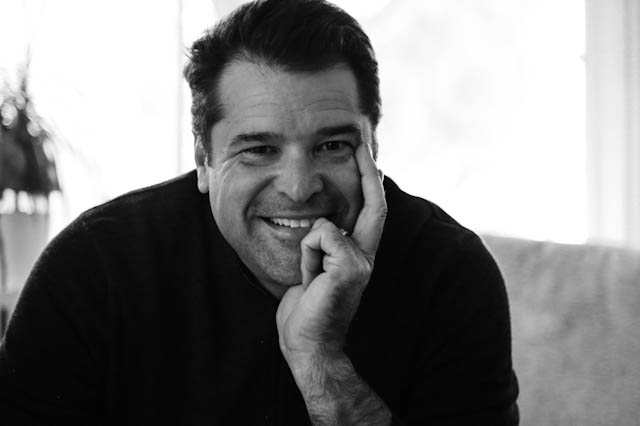
Matt Sorensen is a Broker Associate with Coldwell Banker Realty and a licensed real estate professional since 2000, serving San Marcos and North County San Diego. He specializes in probate and trust home sales, helping trustees and families navigate pricing, disclosures, timelines, and vendor coordination with clear communication and steady guidance. CA DRE Lic. #01293787
Leave a Reply